Aviation Jun 9, 2026
SafeSkies 2026: Advancing Safety, Skills and Innovation in Aviation
The SafeSkies 2026 conference, held in Canberra in May, brought together industry leaders, regulators, workforce experts, and defence representatives to explore emerging challenges and opportunities in aviation safety.
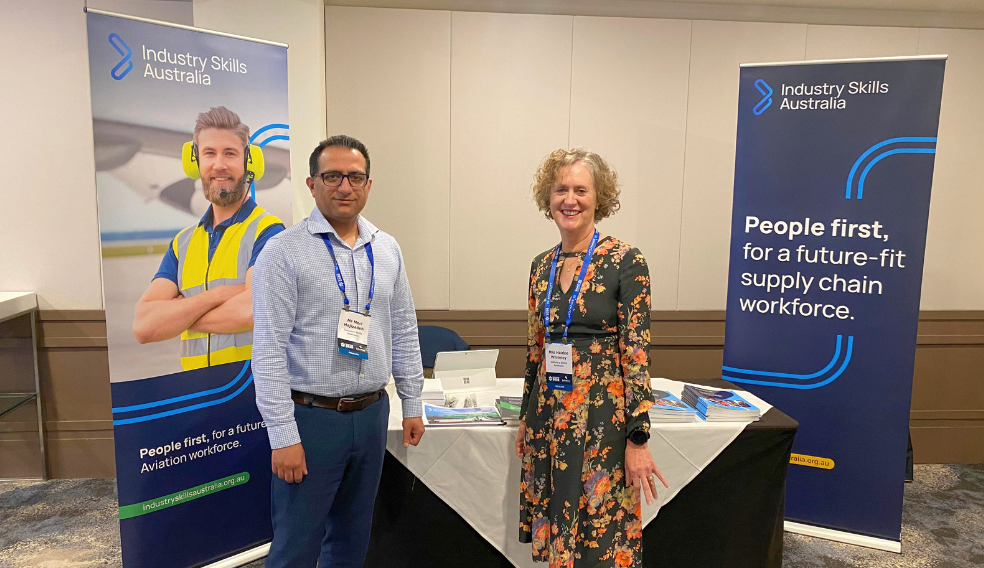
Industry Skills gained valuable insights into how the industry is continuing to evolve. Representing our organisation, Mori Hajizadeh, Aviation Industry Engagement Manager, and Haidee Whiteley, Project Specialist, gained valuable insights on safety systems and practices, workforce capability, and the future integration of new technologies.
Safety Culture Shifts from Compliance to Core Practice
A dominant theme throughout Safeskies 2026 was the critical need to continue to embed safety management systems (SMS) into the everyday operations of aviation organisations. Speakers emphasised that safety must be treated as a core business function, rather than simply a regulatory obligation.
Discussion highlighted the importance of:
- Tailoring safety frameworks to organisational size and complexity
- Strengthening leadership accountability
- Clearly defining roles and responsibilities
Industry experts stressed a shift toward proactive safety practices, built on structured risk identification, rigorous assessment, and continuous monitoring. Importantly, organisations are moving away from measuring easily quantifiable data toward focusing on meaningful safety outcomes. This transformation is reinforcing a culture of ongoing learning, communication, and workforce engagement across all levels.
Growing Complexity in the Aviation Ecosystem
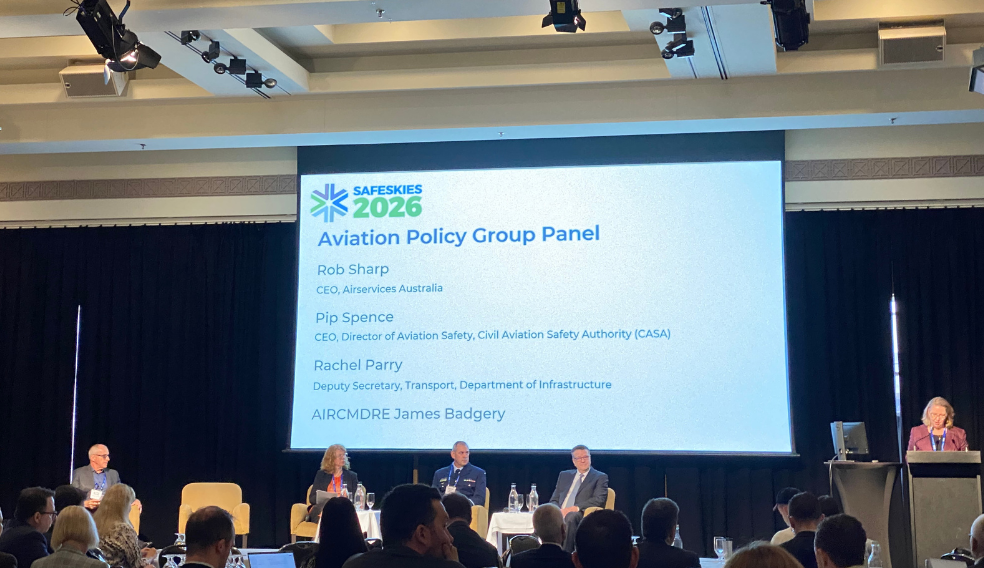
The conference highlighted the increasing complexity of aviation operations, driven by the advent of advanced air mobility (AAM) and other emerging technologies.
These developments are reshaping how airspace is managed and are placing new demands on coordination between government agencies, regulators, and industry stakeholders.
Collaboration was widely identified as essential to maintaining safe operations, particularly as new technologies intersect with existing aviation systems. Discussions also explored the responsible application of defence capabilities and the growing importance of civil–military collaboration in managing shared airspace.
Despite improvements in safety outcomes reflected in national aviation data, the message was clear: continuous innovation is essential to address emerging risks and sustain high safety standards.
Artificial Intelligence Driving Predictive Maintenance
Artificial intelligence (AI) emerged as one of the most influential topics at Safeskies 2026, with both its opportunities and challenges explored in depth. AI is already reshaping aircraft maintenance through the use of advanced image analysis technologies that can detect faults at an early stage, alongside digital model comparisons that enhance accuracy and consistency. These innovations are reducing the need for manual inspection processes, allowing organisations to operate more efficiently while limiting direct risk exposure to workers.
These advancements are enabling a shift away from reactive maintenance practices toward a more predictive approach, improving both operational efficiency and overall safety outcomes. However, the growing adoption of AI is also raising complex questions around how humans and machines interact in operational environments, how decisions are made and governed, and how trust and accountability are maintained as responsibility becomes more distributed between human operators and automated systems. The concept of human–machine teaming featured prominently, particularly as the industry considers how responsibility will be shared between automated systems and human operators. These changes are expected to significantly impact workforce roles, requiring reskilling and adaptation, particularly in areas such as air traffic control and operational management.
Addressing Workforce Capability and Training Gaps
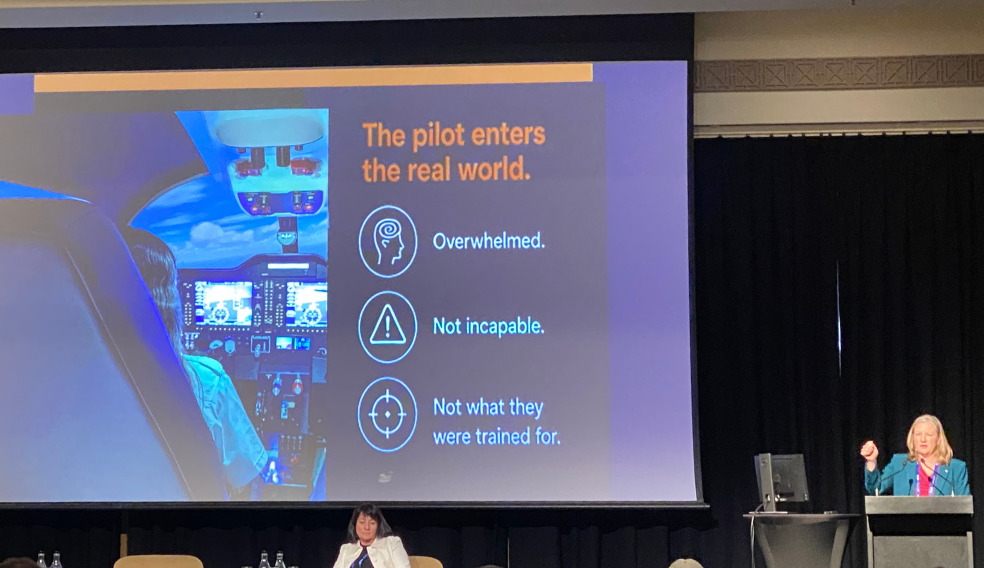
Workforce development remained a key focus, with growing recognition of a disconnect between current training approaches and operational realities.
Conference discussions highlighted the need for:
- Stronger alignment between regulators, training providers, and industry
- More coordinated workforce development frameworks
- Clear aviation career pathways
Regional aviation challenges were also brought into sharp focus, including:
- Ageing aircraft fleets
- Workforce attraction and retention difficulties
- Communication limitations in regional airspace
- The importance of workforce wellbeing
These issues point to the need for targeted and practical solutions to ensure the sustainability of regional aviation operations.
Next Generation Talent Signals Strong Future
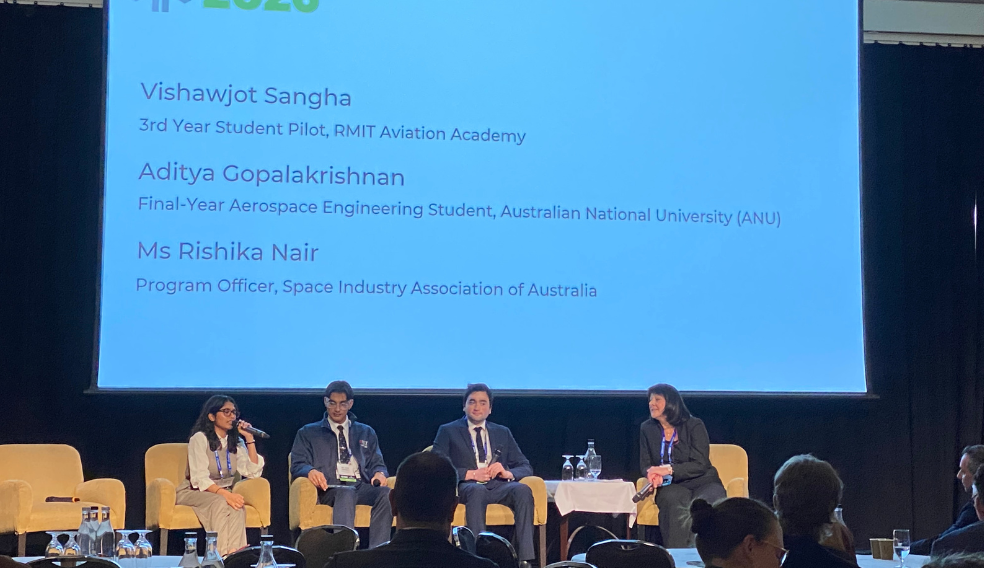
A standout feature of Safeskies 2026 was the involvement of students and early-career professionals through the Next Generation of Aviation Professionals Program.
Their participation injected fresh perspectives and energy into the conference, showcasing a strong pipeline of future talent. Many demonstrated a clear passion for aviation and a commitment to contributing to its future.
Their message to industry was clear:
- The next generation is ready to engage
- Clear pathways into aviation careers are essential
- Ongoing support systems must be strengthened
Industry Skills Australia’s engagement at Safeskies 2026 highlighted a sector in transition—one that is becoming more complex, technologically advanced, and increasingly reliant on a skilled and adaptable workforce.
As aviation continues to evolve, the conference reinforced a critical message: ensuring safety, capability, and sustainability will depend on collaboration, innovation, and investment in people.