Rail Jun 24, 2026
The Australian Rail Track Corporation: Creating a national approach to rail safeworking
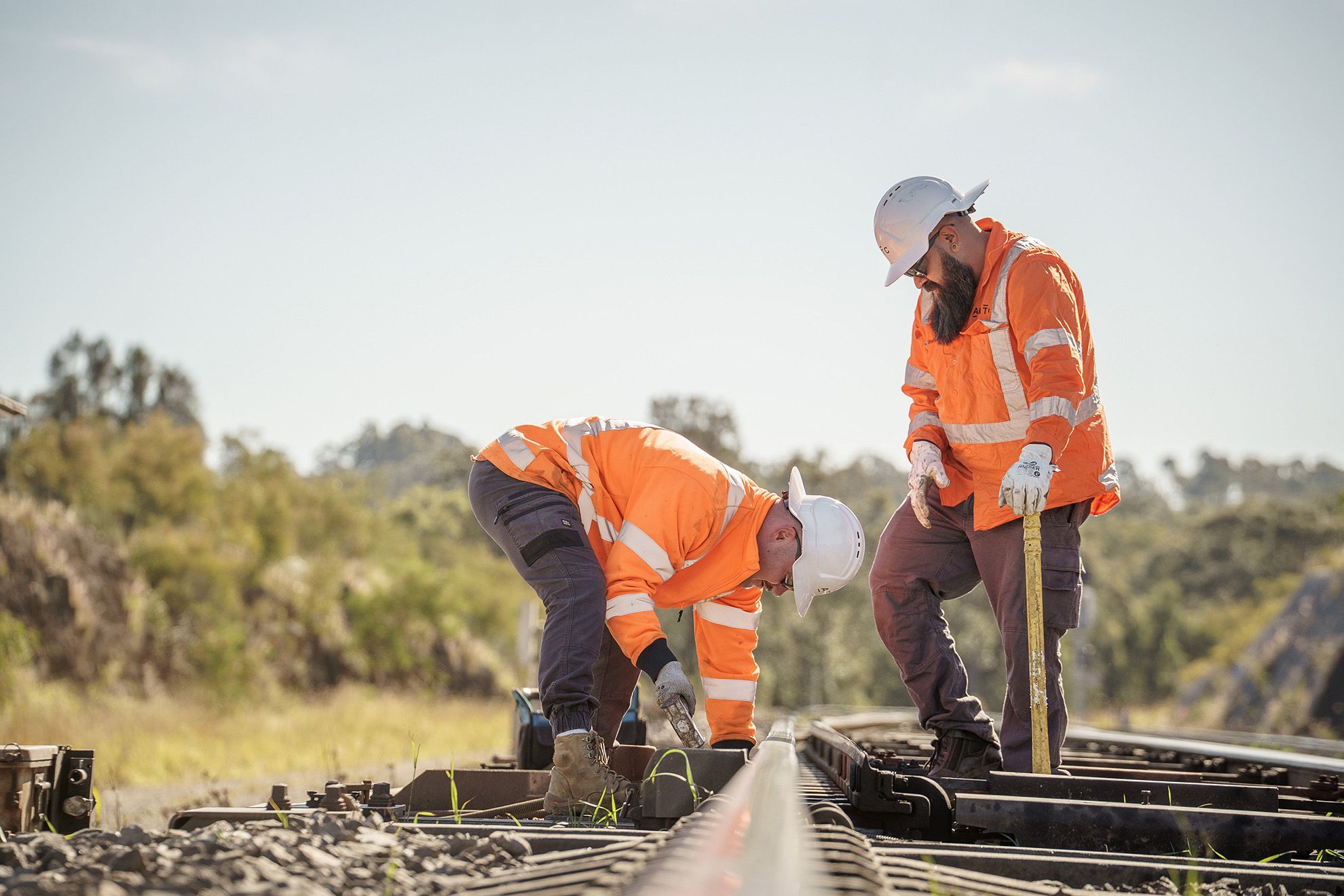
The Australian Rail Track Corporation (ARTC) is delivering one of the most significant rail safety initiatives ever undertaken on Australia’s rail network through the National Safeworking Framework (NSF).
Operating across more than 9,600 kilometres of track in South Australia, Victoria, New South Wales, Queensland and Western Australia, ARTC is working towards a nationally consistent approach to safeworking under the principle of “one network, one rulebook”.
Delivered in three phases, the NSF will progressively align safeworking rules, procedures, terminology and competency requirements across the network. The objective is to simplify operations, improve workforce mobility and support safer, more efficient rail operations.
Why change was needed
Historically, rail operators, contractors and workers have worked under differing safeworking rules and requirements across different states and networks. This has contributed to:
- Duplicated training and higher compliance costs
- Limited workforce mobility between jurisdictions
- Increased complexity and the potential for miscommunication and safety incidents.
Phase 1 of the NSF addresses these challenges by introducing nationally consistent safeworking principles, terminology and controls across the ARTC network.
Key changes introduced in Phase 1
Phase 1 went live in May 2026 following a significant industry-wide training effort that saw more than 5,000 track workers, including 1,650 protection officers and 350 network controllers, complete training.
Key changes include:
- New national safeworking rules and procedures
- Standardised communication protocols
- Clearer roles and responsibilities for rail traffic crews and network controllers
- Updated reporting and Conditions Affecting the Network requirements
- Removal of Code of Practice framework across Western Australia, South Australia and Victoria.
Existing rules have also been streamlined and consolidated under a nationally consistent structure, improving clarity and reducing complexity for frontline workers.
What this means for industry
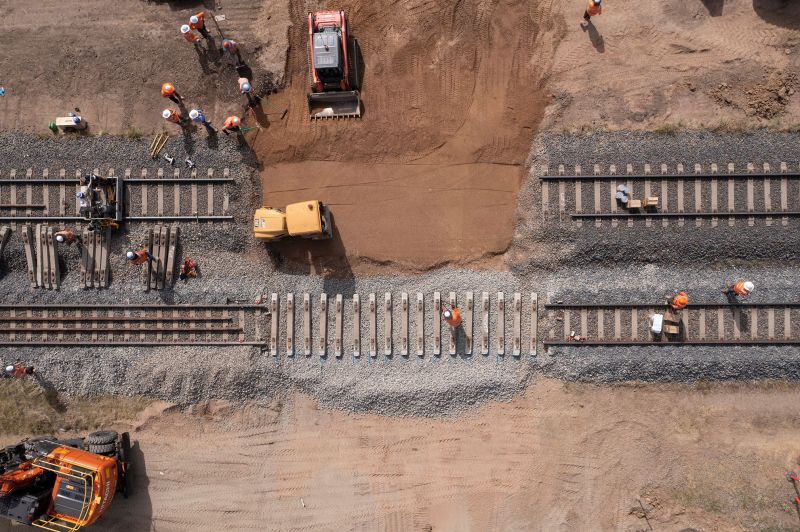
The introduction of nationally consistent safeworking requirements supports a more mobile workforce, enabling rail workers to operate across regions under consistent national rules, supported by standardised training and aligned competencies.
For industry, the framework is expected to:
- Reduce duplication in training and assessment
- Lower compliance and administrative burden
- Simplify onboarding processes
- Drive cost savings and productivity gains.
By standardising terminology, rules and processes, the NSF also supports clearer communication and reduced operational risk, contributing to safer and more reliable rail operations.
Importantly, Phase 1 lays the foundation for future reform, supporting a more integrated and interoperable rail system.
More than a rules update, the National Safeworking Framework represents a long-term commitment to simplifying safeworking, reducing complexity and supporting a safer, more connected rail industry.