Maritime Feb 16, 2026
Boosting Career Pathways for Future Australian Seafarers
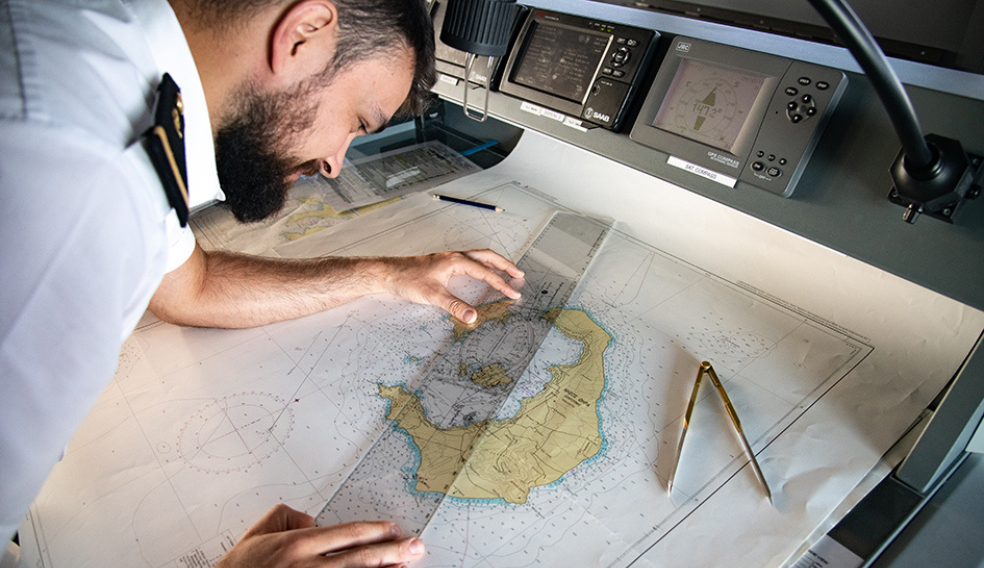
Image courtesy of Studio Ponant - Gwenvael Engel
As skills development and workforce shortages continue to intensify across Australia’s maritime sector, Industry Skills Australia (ISA) is playing a central role in shaping workforce planning and skills development by actively engaging with industry on shared priorities and recognising that innovation is essential to addressing skills shortages.
One strong example of industry innovation comes from Ponant Explorations, which has expanded its cadetship program to create more opportunities for Australian Maritime College (AMC) students to gain essential sea time. Cadets can now apply for both deck and engine placements to complete their required internships, an often challenging but critical step in launching a seafaring career.
2025 and beyond, Ponant will offer up to 30 cadet placements each year across its global fleet, exclusively for AMC students, the only Australian institution providing a university‑level maritime degree.
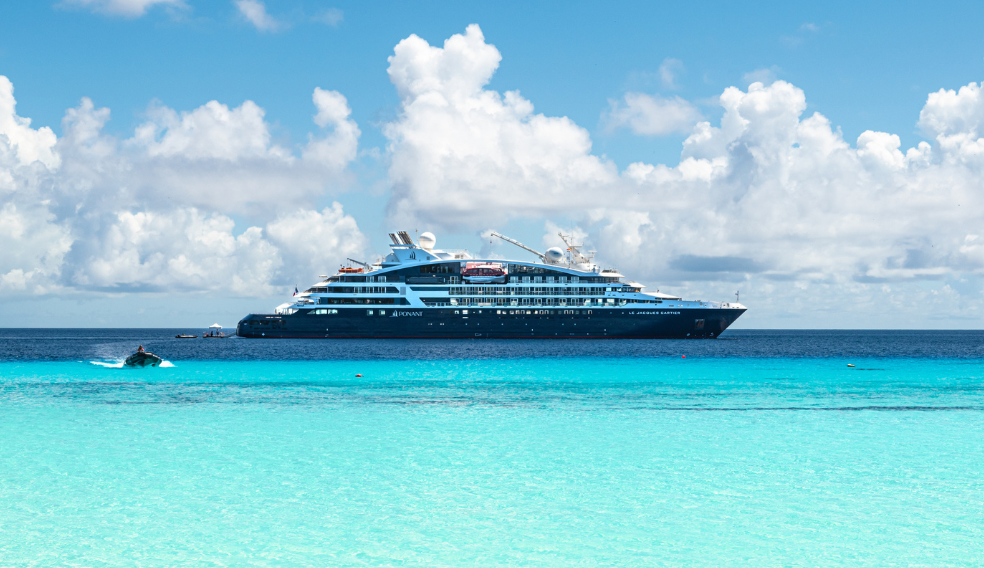
Up to four cadets will be hosted on each small-capacity expedition vessel, gaining practical, hands‑on experience across deck and engine operations. Cadets are welcomed as contributing members of the onboard team from day one, learning directly from experienced maritime professionals many of whom began their own journeys as cadets with Ponant.
“It is often a challenge for Australian cadets to secure sea time. I am incredibly proud of this initiative,” said Deb Corbett, CEO of Ponant Asia Pacific. “This program allows us to extend the Ponant ethos and give back to the Australian seafaring community in a meaningful and lasting way.”
This initiative reflects Ponant’s long‑standing commitment to maritime excellence and its contribution to strengthening Australia’s maritime workforce. It also plays an important role in supporting national maritime capability and demonstrates the valuable role the AMC, as a key foundation member of the National Maritime Skills Network, contributes to this effort and the future.
Addressing Critical Maritime Skills Shortages
Occupational shortages across several key maritime roles, particularly Deck Officers, Marine Engineers, Integrated Ratings, and Electro‑Technical Officers, remain significant, and these challenges sit at the centre of ISA’s maritime projects.
- The Maritime Workforce Plan produced by ISA, identifying current and future skills needs across coastal, blue‑water, offshore, and inland operations
- Training Package modernisation, ensuring training reflects technological advances, sustainability skills, and AMSA regulatory requirements
- National consultation on sea‑time barriers, responding to ongoing industry and training provider concerns about access to practical training
- Capability development for emerging sectors, including offshore wind, green fuels, and autonomous maritime systems
"Access to sea time remains one of the most significant barriers for aspiring Australian Seafarers. Industry led partnerships such as this are an important part of strengthening the maritime skills pipeline and supporting clearer pathways from training into employment for the next generation of Australian seafarers." Adam Leatherbarrow – Maritime Project Specialist.
For ISA’s maritime projects and broader program of work, Ponant’s cadetship model offers a real-world example of the systemic improvements being pursued as part of Australia’s national maritime workforce strategy.
For more information on all the ISA Maritime Project: Visit the Project Page.