Aviation Mar 11, 2026
Ground Operations Put in the Spotlight at CASA’s GO Safe Forum
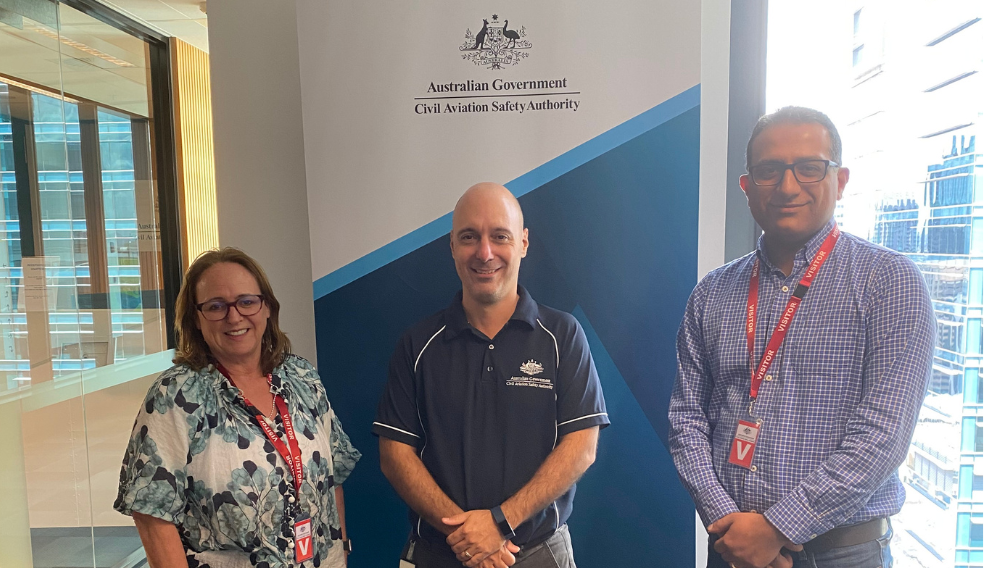
Ground operations are the hidden engine of aviation. Long before an aircraft pushes back, rotates, or climbs through cloud, it’s ground operations professionals who have already set the conditions for a safe flight. They are the first link in the safety chain and last week, CASA’s GO Safe Ground Operations Forum put a spotlight on their vital role.
Representing ISA, Mori Hajizadeh, Industry Engagement Manager for Aviation, and Trish Fidock, Project Specialist, attended CASA’s GO Safe Ground Operations Forum. The event was a powerful reminder of the complexity, pressure, and safety‑critical nature of ground operations across Australia’s aviation system.
Across the day’s conversations, three key themes emerged.
1. Training Built for Real‑World Conditions
Australian Transport Safety Bureau (ATSB) case studies highlighted a consistent pattern: ground staff are frequently placed in high‑pressure, time‑sensitive situations without training that truly reflects the reality of the ramp.
Discussions emphasised the need for:
- clearer understanding of non‑normal procedures
- stronger cross‑role awareness between ground, cabin, and flight crew
- practical, hands‑on training that mirrors actual operational conditions
- confidence to act decisively when seconds matter
As one speaker noted, “When an evacuation is called, there is no pause button.” Ground staff must be prepared for that moment.
2. National Alignment and Standardisation
Variations in airside driving rules, ramp processes, and local procedures between airports can create inconsistency and occasionally, elevated risk.
The Forum reinforced the importance of nationally aligned standards, particularly in:
- airside driving competency and Airside Driving Authority recognition
- ground‑to‑cabin communication expectations
- equipment positioning and obstacle clearance
- understanding emergency roles across multiple operators
- Standardisation isn’t about more paperwork, it’s about predictable, safe behaviour in unpredictable environments.
3. Strengthening a Shared Safety Culture
Ground environments bring together multiple operators, agencies, and contractors, all working within tightly shared spaces. The Forum highlighted the need to further strengthen the culture of collective responsibility.
Key points included:
- the critical impact of equipment condition and ramp housekeeping
- the value of coordinated oversight across organisations
- understanding how pressure, congestion, and human factors influence behaviour
- Safety is never isolated. Shared spaces require shared accountability.
Mori and Trish also spoke about the role of VET in creating a standardised and harmonised national training approach across ground operations. They shared updates on the Aviation Workforce Plan 2025, ISA’s Program of Work, and discussed Cabin Crew and Ground Operations Skills Gap Analysis projects currently underway.
They invited participants to get involved in these projects and contribute their insights. You can learn more about these initiatives on our website.
ISA extends its thanks to CASA and the GO Safe team for facilitating constructive, practical, and future‑focused discussions. Events like this don’t just inform, they elevate the industry, strengthen partnerships, and reinforce the collective commitment to safety across the aviation ecosystem.