Jun 25, 2026
Industry Skills Australia Roundtables Wrap Up – Key Themes and Insights
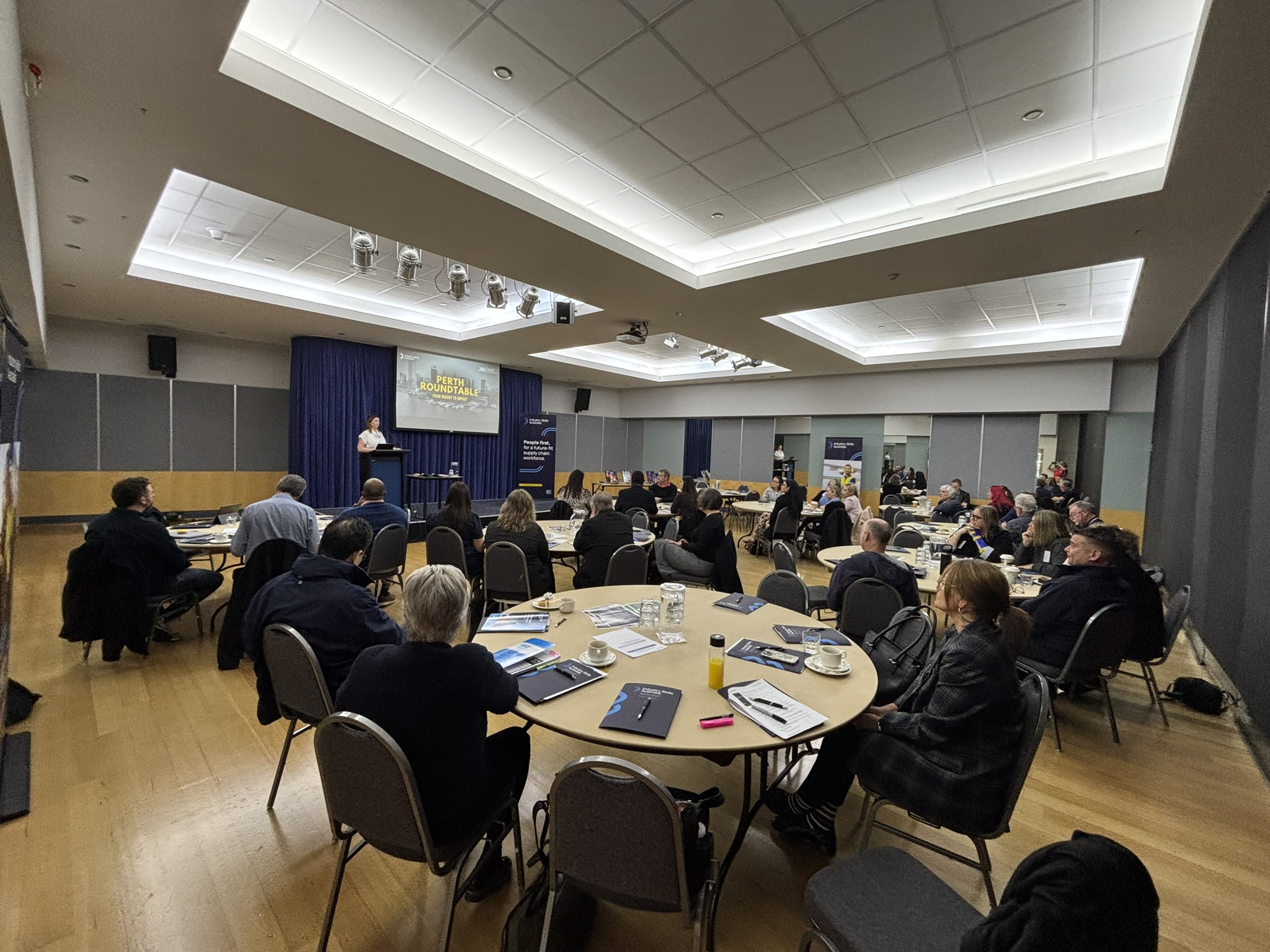
Over the past month, Industry Skills Australia hosted a series of roundtables across transport and supply chain hubs in Townsville, Darwin, Wollongong, Perth and Port Hedland. Bringing together industry leaders, employers, training providers, and government representatives, the sessions explored workforce challenges and opportunities across aviation, maritime, rail, and transport and logistics.
While each region highlighted unique local challenges, several consistent themes emerged, including workforce attraction and retention, access to training, infrastructure constraints, skills development and the need for stronger cross-sector collaboration.
Shared National Workforce Challenges
Across all locations, stakeholders emphasised ongoing difficulties in attracting and retaining workers, especially in regional and remote areas. Competition from higher-paying sectors, cost-of-living pressures, global uncertainty and geographic locations continue to affect workforce participation and mobility.
A recurring concern was the need to improve the perception of transport and supply chain careers. Participants highlighted the importance of engaging young people earlier, increasing female and diverse participation, strengthening school-to-industry pathways and improving career advisors' understanding of industry opportunities. Greater awareness of transferable skills and clearer career progression pathways were also identified as critical to building future workforce pipelines.
Training and Skills Development
Training accessibility emerged as a major issue across all regions. Industry discussed:
- More flexible, practical and industry-led training delivery.
- Improved access to vocational education and training (VET), particularly for regional and remote students.
- Increased training capacity, including addressing trainer and assessor shortages.
- Regulatory and funding barriers that restrict workforce development.
- Stronger partnerships between industry and training providers.
Several regions highlighted the need for specialised skills development in emerging areas, including digital literacy, automation, artificial intelligence, drones and new transport technologies.
Place-Based and Collaborative Solutions
Stakeholders consistently advocated for stronger collaboration between industry, training providers and all levels of government. Participants identified opportunities to reduce duplication, eliminate red tape and break down siloed approaches to workforce planning.
There was widespread support for practical, place-based workforce solutions, including:
- Upskilling and reskilling initiatives.
- Recognition of transferable skills.
- Industry-led workforce development programs.
- Regional partnerships that respond to local labour market needs.
Location Highlights
Townsville
Townsville stakeholders focused on the challenges associated with servicing a geographically vast region, key issues included:
- Significant travel distances and limited access to education, training and employment opportunities.
- Infrastructure, accommodation and transport constraints affecting workforce participation.
- The need to improve industry attraction among young people, women and potential career changers.
- Greater collaboration between government, industry and training providers to deliver local workforce solutions.
- Interest in more flexible VET funding arrangements to support remote students and address high youth unemployment.
Darwin
Darwin stakeholders highlighted the unique challenges facing the Northern Territory's transport supply chain including:
- Severe weather events disrupting road networks and freight movement.
- Limited local training options, forcing workers to travel interstate for qualifications.
- Barriers to building training capability due to trainer and assessor requirements.
- The need for a dedicated maritime training facility to support growing workforce demand
- Limited public transport restricting access to employment and training opportunities.
Industry advocated for greater investment in resilient transport infrastructure, enhanced workforce development opportunities and stronger government coordination.
Wollongong
In Wollongong, discussions focused on workforce access and business sustainability. Participants identified:
- Public transport limitations impacting young people's access to work and training.
- Rising operating costs, including fuel, wages, maintenance and insurance premiums.
- A need for stronger local workforce solutions and reduced regulatory burden.
- Limited awareness of transport and supply chain career pathways among career educators.
- Housing and childcare challenges affecting workforce attraction and retention.
- Stakeholders emphasised improving career awareness and expanding access to hands-on, industry-led training.
Perth
Perth stakeholders highlighted growing workforce demand driven by infrastructure investment and economic growth across Western Australia. Discussion centred on:
- Workforce shortages and retention challenges, particularly in regional areas and competition with the mining sector.
- Weak or poorly coordinated career pathways from school through to leadership roles.
- Constraints on training capacity, including funding gaps, equipment requirements and trainer shortages.
- Preparing the workforce for technological change through skills development in automation, AI, drones and emerging rail technologies.
- Industry called for stronger employer-led training initiatives, mentoring programs and fit-for-purpose qualifications.
Perth Leaders’ Event
An event focussed on transport and supply leaders’ in Perth provided further valuable insight into workforce priorities across Western Australia’s transport supply chain industries. Several important themes emerged:
- Inclusion and diversity were identified as central workforce priorities, with participants highlighting the importance of organisational culture and meaningful workplace initiatives beyond policy settings alone.
- Workforce attraction was discussed extensively, with stakeholders exploring innovative approaches to engage school students, career changers and under-represented groups. Examples included leveraging virtual reality (VR), simulation technologies and more experiential learning opportunities to showcase careers in the sector.
- Participants emphasised the importance of reimagining roles and career pathways to improve participation among young people, women and First Nations communities.
- Skilled migration was identified as a key opportunity to support workforce capacity, particularly through improved recognition of skills and more responsive migration and visa processes.
- Regulatory burden and compliance costs continue to present challenges for businesses; however, participants also shared examples of organisations successfully navigating these barriers through innovation and collaboration.
- Discussions on future workforce needs and technology adoption highlighted the need for industry and training providers to become more agile and responsive to evolving skills requirements and emerging technologies.
Overall, the Perth discussions reflected a forward-looking approach to workforce development, with a strong focus on skills, technology adoption, inclusion and workforce adaptability.
Port Hedland
Port Hedland discussions reflected the operational realities of a major industrial and logistics hub. Stakeholders highlighted:
- Multiple site induction requirements creating inefficiencies across the workforce.
- Opportunities to develop portable induction training.
- Growing demand for digital literacy as workplaces adopt new technologies.
- The need for greater cultural awareness and inclusivity training.
- The importance of accommodating diverse learning styles and capabilities to support workforce participation.
- Limited and expensive accommodation options create additional financial burdens on employers to maintain a local workforce.
- Training for both landside and maritime operations around the port precinct needs to be supported to improve safety outcomes.
Overall Conclusion
While regional challenges vary, the roundtables reinforced that the industry faces common national issues - workforce shortages, training accessibility, infrastructure constraints, and rapid technological change. Stakeholders identified the need for collaborative, place-based solutions, stronger industry-government partnerships and targeted investment in skills development to ensure the sector can meet current and future workforce demands.