Maritime May 28, 2026
ISA Joins Industry Leaders at “2026 Blueprint for a Maritime Nation” Conference
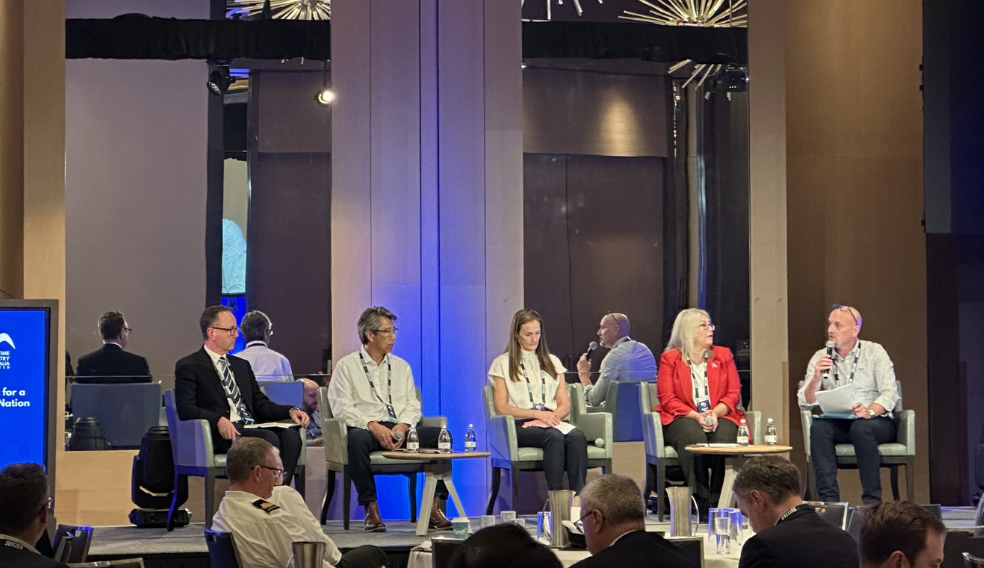
Industry Skills Australia (ISA) was proud to attend the 2026 Blueprint for a Maritime Nation Conference, which incorporated the 6th Maritime Decarbonisation Summit, hosted by Maritime Industry Australia Ltd (MIAL) in Perth from 12–13 May 2026. The event brought together leaders, policymakers, and key government stakeholders to explore the future of Australia’s maritime sector.
Industry Skills Australia’s (ISA) Head of Maritime Projects, Mandi Mees, Maritime Industry Engagement Manager, Anna Jerrems and Jess Rice, Maritime Project Specialist, attended the conference, engaging with stakeholders and contributing to discussions on workforce and skills priorities. This included building important connections with industry and government experts to support the delivery of solutions as part of ISA’s maritime skills program of work, while highlighting ISA’s role and reinforcing the importance of developing workforce capability to support industry transformation.
Driving Progress for Australia’s Maritime Future
Hosted by MIAL the conference served as a platform for collaboration across the maritime ecosystem. It also extended into related sectors such as defence, offshore wind, energy manufacturing, and other industries reliant on shipping.
“The conference provided a valuable forum for sharing insights, strengthening partnerships, and fostering open dialogue on the challenges and opportunities shaping the maritime sector,” said Anna Jerrems.
Key Themes and Insights
Across the two-day conference, discussions focused on strengthening sovereign maritime capability, advancing workforce development, and responding to the growing pressures of decarbonisation and technological change. Workforce attraction, retention, and diversity were key areas of focus, alongside the increasing use of data and analytics to inform workforce planning.
Decarbonisation emerged as a critical area of focus, with discussions highlighting the impact of global regulation, the development of green and digital corridors, and the adoption of new technologies, including artificial intelligence. Industry case studies also showcased innovative approaches to addressing these challenges and driving sector-wide progress.
A consistent theme throughout the conference was the central role of workforce capability in enabling transformation. As the industry evolves, there is a clear need for adaptable training systems and a strong pipeline of skilled workers to meet emerging demands.
Strengthening Workforce Capability
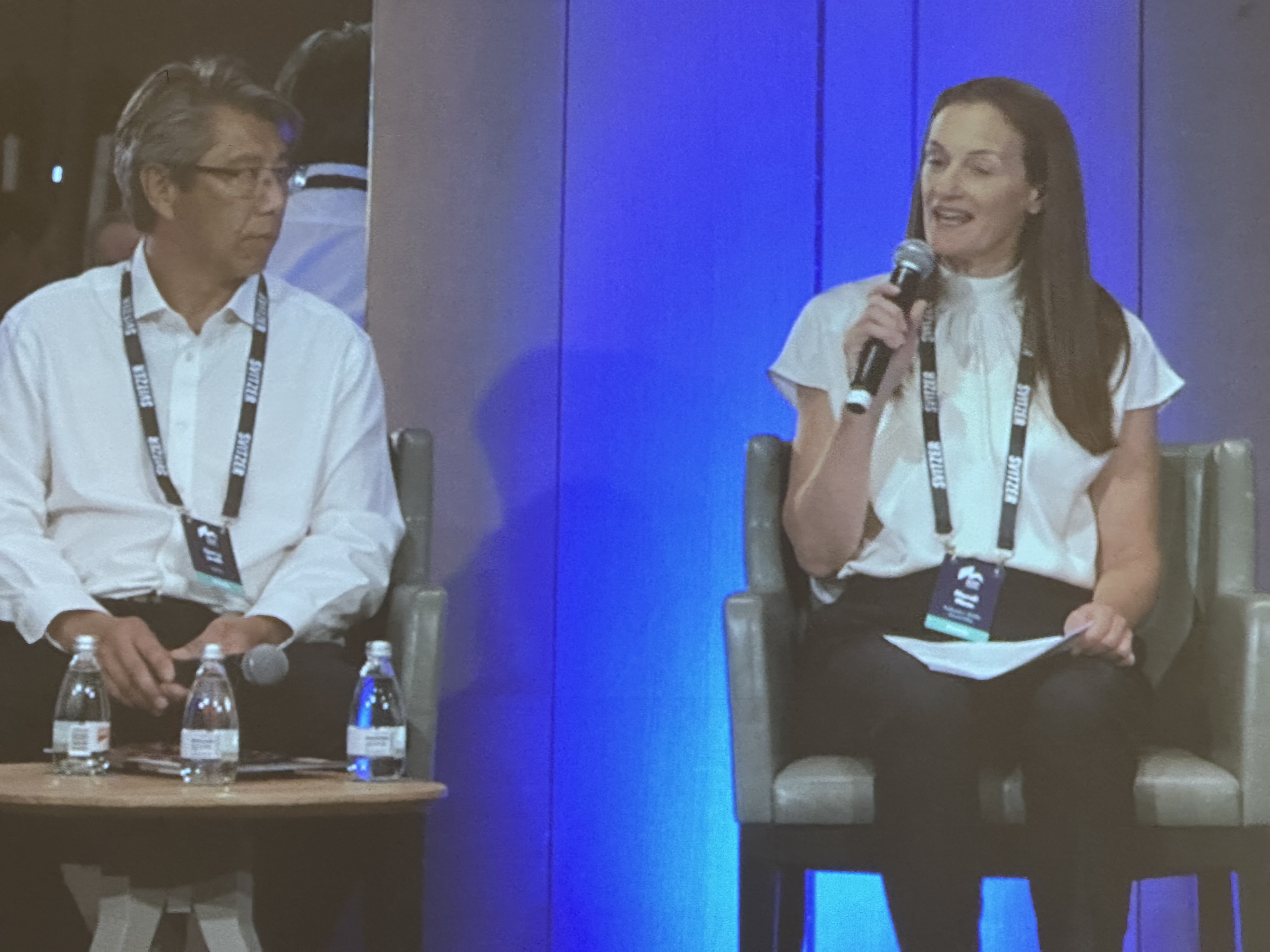
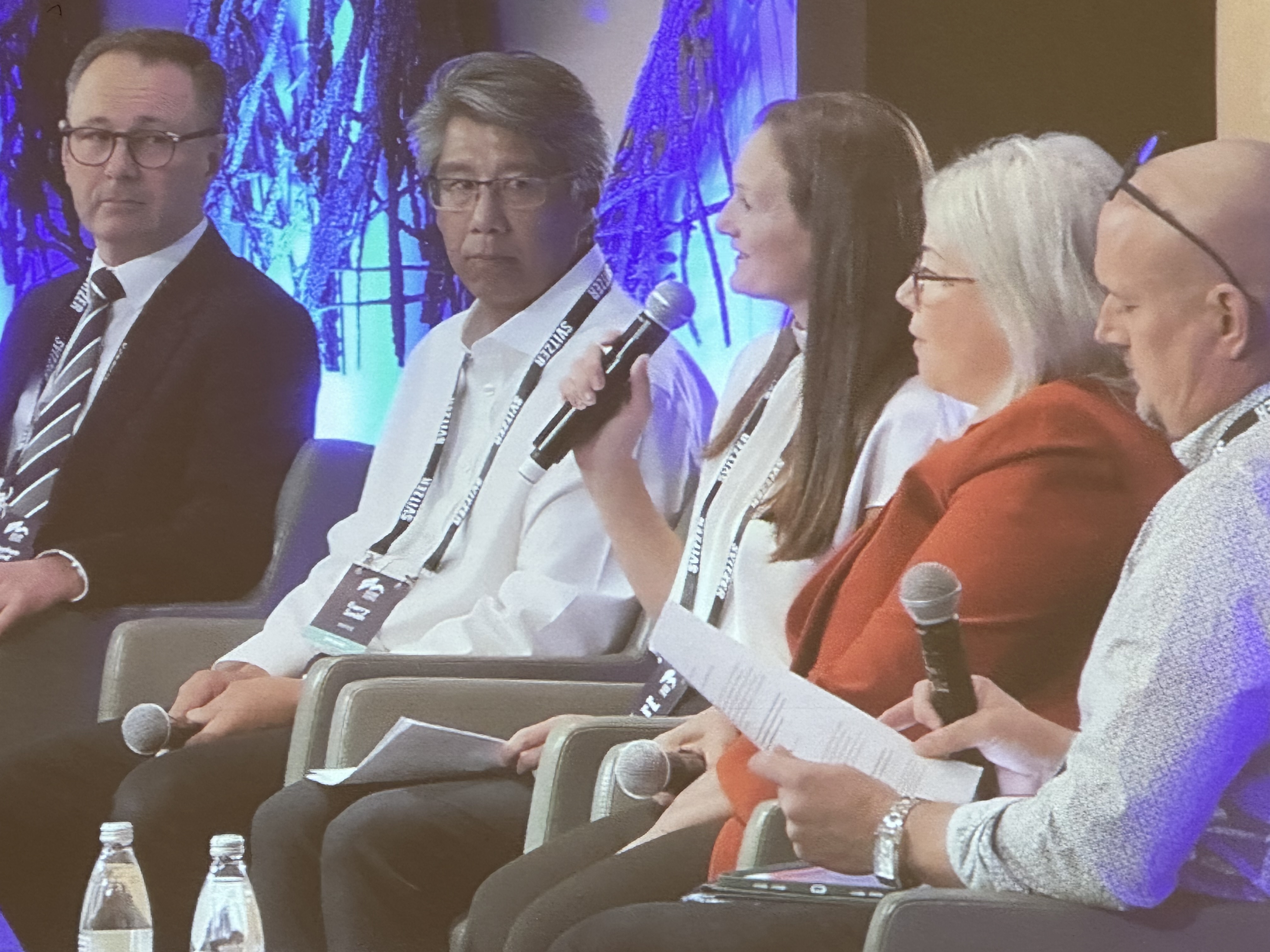
Participation in the conference enabled ISA to actively contribute to industry conversations on skills and training, including through Mandi Mees’ involvement in a panel discussion focused on developing the future workforce. The panel highlighted key industry solutions currently in progress, including simulation, sea time coordination, and decarbonisation initiatives. This engagement provided a platform for ISA to showcase its work, while reinforcing the importance of building workforce capability and supporting industry transformation. It also provided an opportunity to promote ISA’s role as a Jobs and Skills Council and highlight the ongoing development of the Maritime Workforce Plan.
In meetings held during and following the conference, early developments for workforce solutions were also captured, providing valuable insights to help address industry challenges, including sea time coordination. Through ongoing engagement with stakeholders, ISA strengthened connections across the maritime sector and gained deeper insight into workforce priorities, particularly the implications of decarbonisation for skills development and the broader workforce pipeline. These insights also play an important role in informing future workforce planning and training product development, while reinforcing ISA’s role in supporting industry transformation.
These discussions reinforced the importance of aligning workforce strategies with industry transformation, ensuring the sector is equipped with the skills and capability needed to meet future demands.
Supporting the Future of Maritime
The MIAL Blueprint for a Maritime Nation Conference highlighted the importance of collaboration across industry, government, and the skills ecosystem in supporting a sustainable and competitive maritime sector.
ISA will continue to work closely with stakeholders to ensure workforce strategies, training development, solutions, and industry insights remain aligned, supporting the growth and resilience of Australia’s maritime industry into the future.