Aviation May 11, 2026
ISS Facilities Site Visit
Aviation Security is evolving, beyond the Checkpoint
Airport security is often reduced to queues, scanners and inconvenience. It plays a critical role in safeguarding passengers, maintaining public trust and shaping the overall travel experience. Behind every efficient journey is a highly trained, professional workforce operating within one of the most regulated environments in Australia.
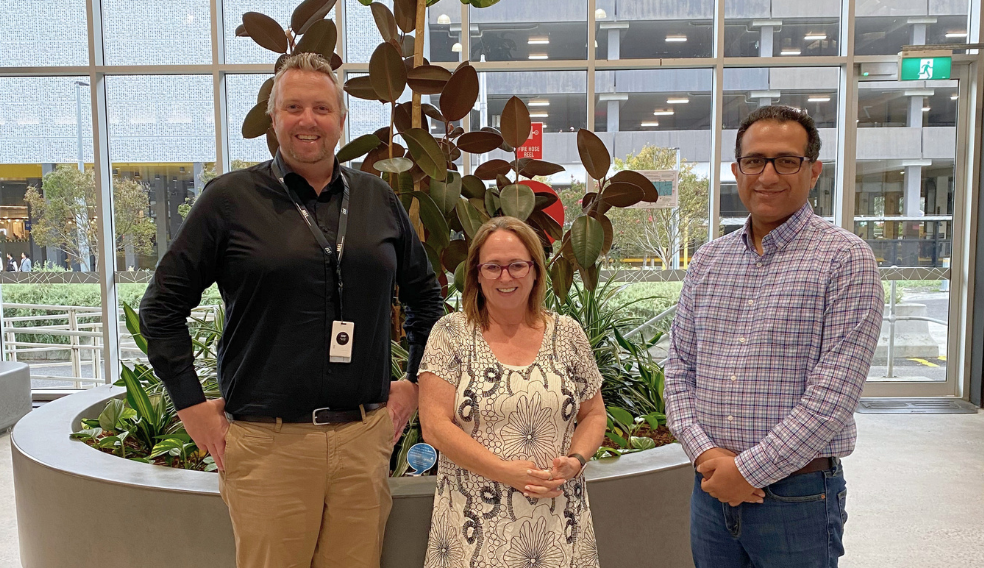
Last week, Mori Hajizadeh, Aviation Industry Engagement Manager, and Trish Fidock, Aviation Project Specialist from Industry Skills Australia, visited ISS Facilities at Melbourne Airport to see firsthand how aviation security is evolving in response to regulatory change, advancing technology and increasing passenger diversity.
A Workforce‑Centred Security Environment
One of the most striking observations from the visit was how airports are increasingly positioning themselves as attractive, long‑term workplaces. Aviation security roles offer structured entry points, high‑quality training, and clearly defined professional development pathways, helping build a skilled and sustainable workforce. Security screening officers undertake intensive onboarding, ongoing accreditation, government and third‑party testing, and continuous professional development. These requirements reflect the complexity of the role and the strict regulatory framework governing aviation security operations.
The Transport Security Protection project, led by Industry Skills Australia, completed an updated Certificate II in Transport Security Protection to align with evolving regulatory requirements, industry practices, and emerging technologies. The project strengthens the capability of the transport security workforce by improving the relevance, consistency, and efficiency of training for roles across aviation, maritime, and air cargo sectors. By streamlining qualification structure and enhancing training outcomes, the updated qualification supports greater workforce mobility, reduces training costs for employers, and ensures security screening officers are equipped to meet current and future safety and compliance demands. Ultimately, the project represents a significant step forward in building a more skilled, responsive, and future-ready transport security workforce, critical to safeguarding Australia’s transport systems.
Regulation, Technology and Consistency
The introduction of national aviation security screening notices by the Department of Home Affairs, are driving greater consistency across Australian airports. ISS Facilities also works closely with technology suppliers and medical associations to ensure staff are familiar with new medical devices and screening equipment before deployment. This proactive approach supports smoother screening outcomes and reduces friction for passengers moving through security.
Inclusion, Empathy and Passenger Experience
Another key area of evolution is the growing emphasis on inclusive security practices. Increasing awareness of invisible disabilities, autism and communication aids is shaping fairer and more empathetic screening processes. Security staff are being supported to balance robust security protocols with sensitivity and understanding, reinforcing that strong security and empathy are not mutually exclusive. This focus is complemented by a diverse, multilingual workforce with strong psychosocial awareness, reflecting both the travelling public and the complexity of the operating environment.
Industry Skills Australia extends its thanks to the ISS Facilities team, particularly Phil Brezzo and Nicholas Walker, for their openness, insights and commitment to building a future‑ready aviation security workforce.