Transport & Logistics Mar 30, 2026
Key Industry Challenges and Opportunities Highlighted at VTA Conference
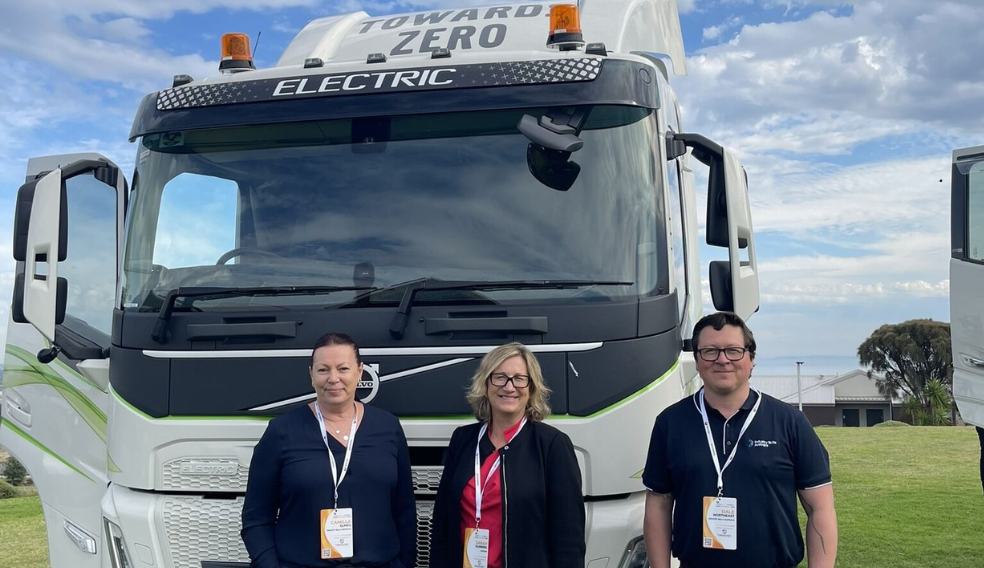
Camilla Elmes, Senior Engagement Manager, and Dale Northeast, Industry Engagement Manager for Transport and Logistics, attended the Victorian Transport Association (VTA) State Conference, where several strong and recurring themes of clear industry relevance were highlighted. Across sessions, speakers reflected on the pressures currently facing the transport and logistics sector, while also reinforcing the direction in which the industry is moving.
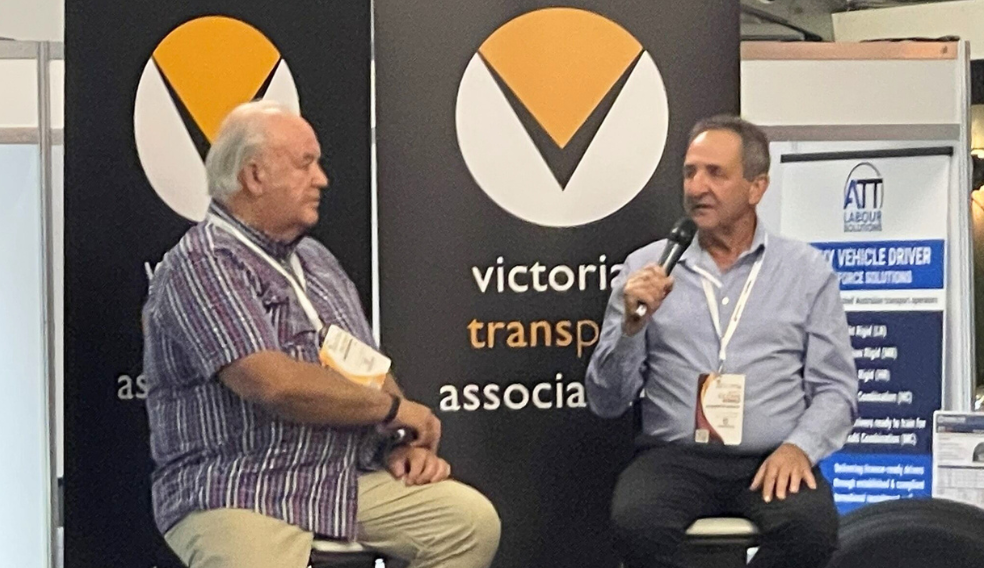
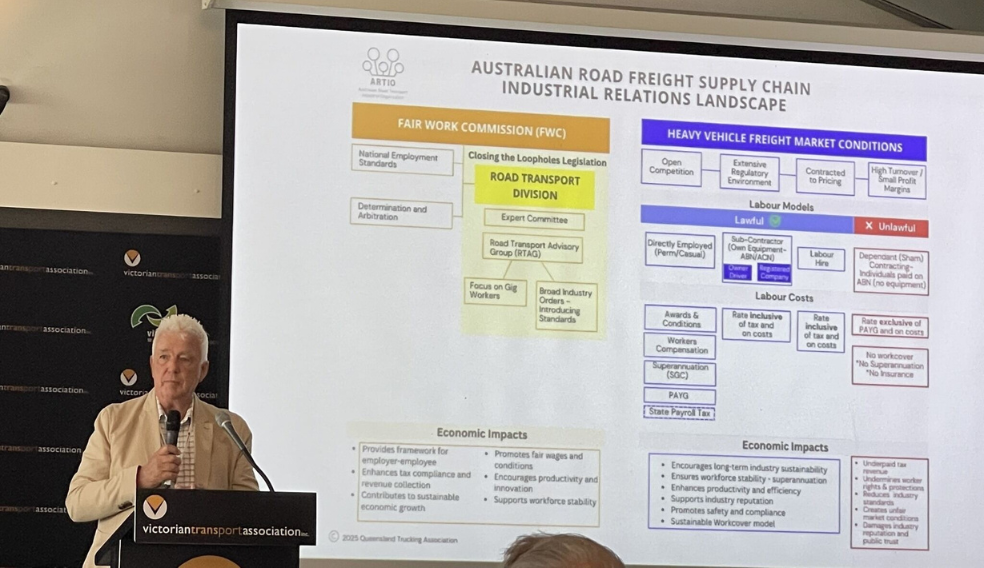
Sham contracting featured prominently throughout the Conference. Senator Glenn Sterle, Peter Anderson, and Gary Mahon spoke to the significant impacts sham contracting continues to have on industry sustainability, workforce outcomes, and fair competition. This issue was raised consistently across multiple sessions and is increasingly being recognised as a broader, system‑wide challenge rather than one limited to individual operators. There is growing alignment between regulators, including the Australian Taxation Office (ATO) and Fair Work, alongside a shift toward more proactive and coordinated enforcement.
Speakers emphasised that responsibility sits across the entire supply chain, acknowledging that commercial and contracting decisions at every level influence compliance outcomes. These settings are having real impacts on pricing structures and competitiveness across the industry.
Fuel pressures were also a key area of discussion given the current circumstances. While short‑term fuel supply was confirmed as stable, with vessels inbound, ongoing price volatility continues to place pressure on operators. This uncertainty is flowing through to operating margins, cost recovery mechanisms, and contracting arrangements, adding further strain to an already challenging cost environment.
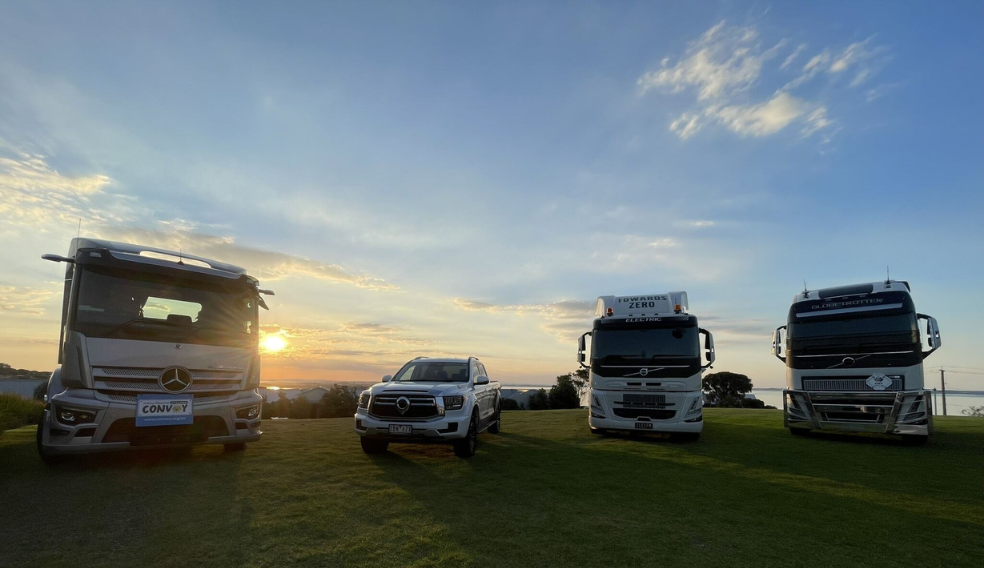
A more forward‑looking theme emerged with announcements related to decarbonisation. Victorian Minister for Roads and Road Safety and Ports and Freight, Melissa Horne, announced the $8 million Victorian Freight Decarbonisation Co‑Investment Program, along with the Victorian Electric Heavy Vehicle Trial. These initiatives are positioned as important steps in supporting businesses to transition to lower‑emissions operations, while helping industry manage the costs associated with adopting new technologies.
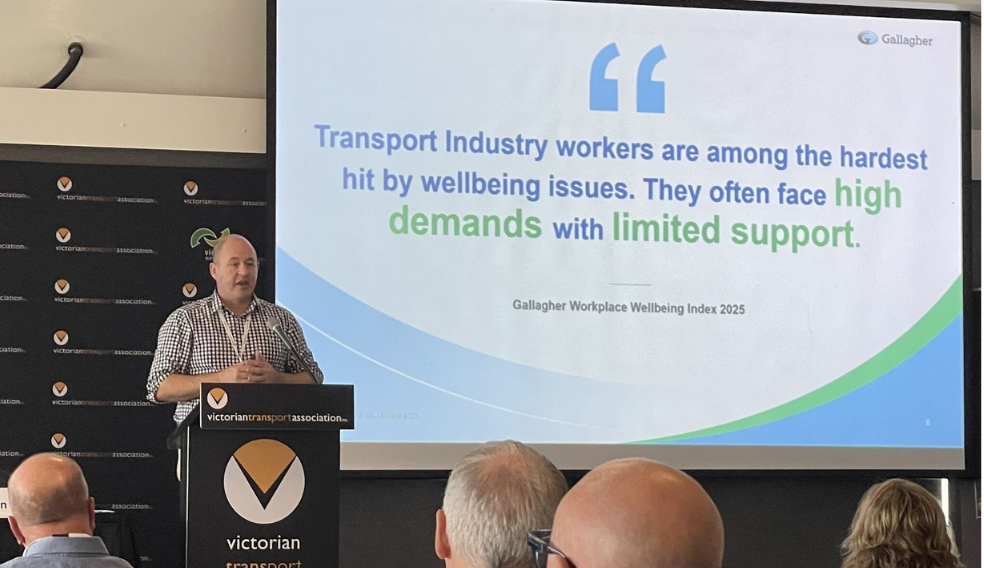
Nicole Rosie, CEO of the National Heavy Vehicle Regulator (NHVR), spoke to upcoming changes in the Heavy Vehicle National Law (HVNL) and the work NHVR is doing to support industry through these changes.
Geoff Allan, CEO of Austroads, also provided updates on reforms to the National Heavy Vehicle Driver Competency Framework (NHVDCF), which are designed to strengthen heavy vehicle licensing and training standards and provide faster competency‑based licensing progression pathways.
Collectively, the discussions reflected a clear shift toward increased enforcement, greater accountability, and more sustainable and efficient operating models across the transport and logistics sector. At the same time, operators are continuing to navigate rising costs, workforce challenges, and infrastructure constraints. The increased use of intermodal terminals was highlighted as a key strategy to reduce congestion around port precincts and support freight efficiency.
ISA is currently working on several projects to update training and support industry through changes to the HVNL and NHVDCF, and to address driver workforce shortages. These include:
- Fatigue Management Training Product Update
- Skilling Heavy Vehicle Drivers and Licensing Update
- Addressing Heavy Vehicle Driver Shortages
Despite the challenges, the Conference reinforced the resilience of the transport and logistics sector and its strong focus on adapting to change. Through stronger compliance settings, targeted investment, and collaboration between government and industry, the sector continues to position itself for a more sustainable and future‑ready freight task.
Congratulations to the (VTA) on hosting another successful event, bringing industry together to discuss these important topics.