Jun 3, 2026
Key Insights from the TDA Convention: Shaping the Future of Vocational Education and Training
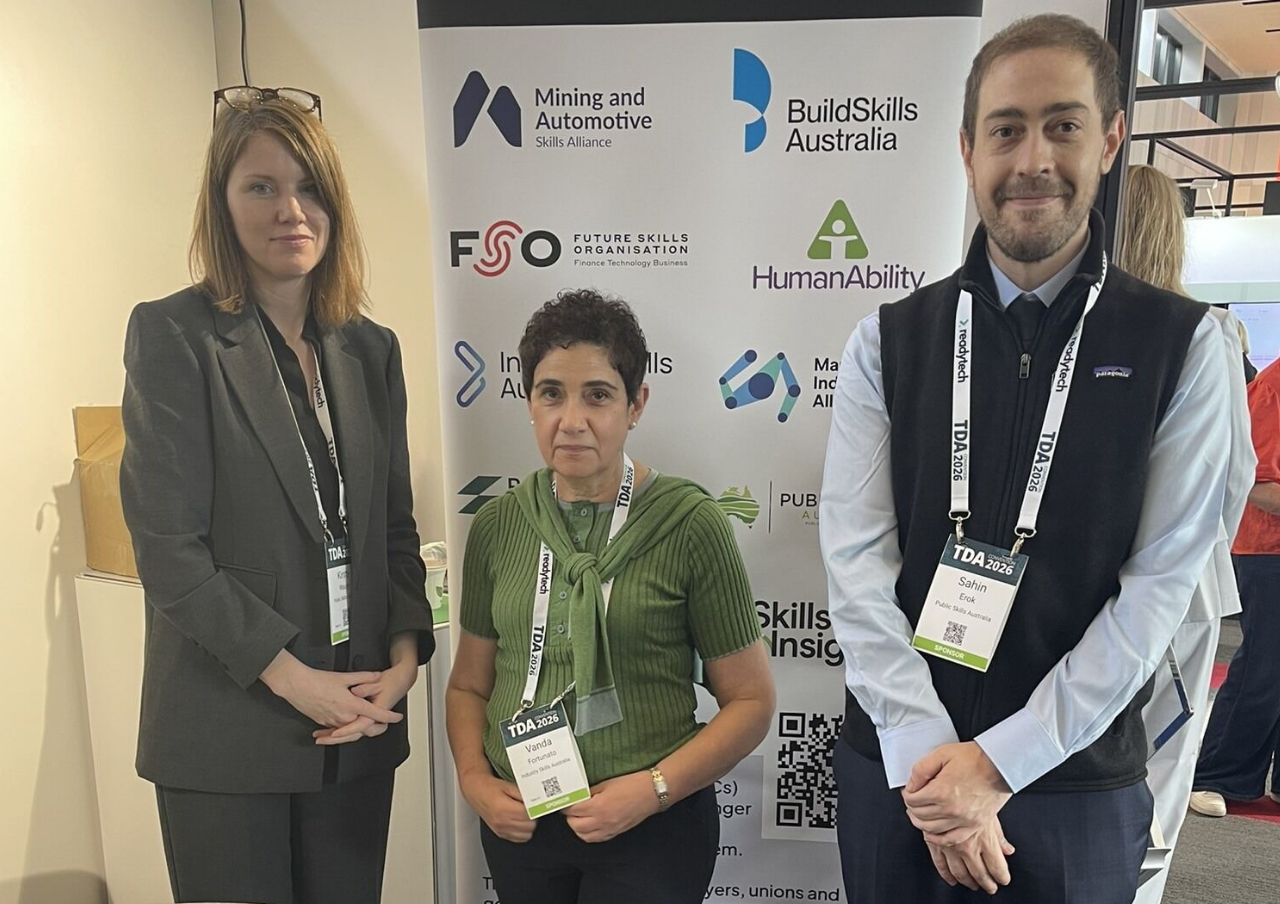
In May, ISA attended the TAFE Directors Australia (TDA) Convention alongside sector leaders, government representatives, and industry partners to explore the evolving vocational education and training (VET) landscape. Vanda Fortunato (Interim CEO), Kimberley Ohayon (General Manager of Engagement), and Camilla (Senior Engagement Manager) represented ISA at the event, co-hosting a stand with other Jobs and Skills Council (JSC) representatives and engaging in valuable discussions on the future of skills, workforce development, and collaboration.
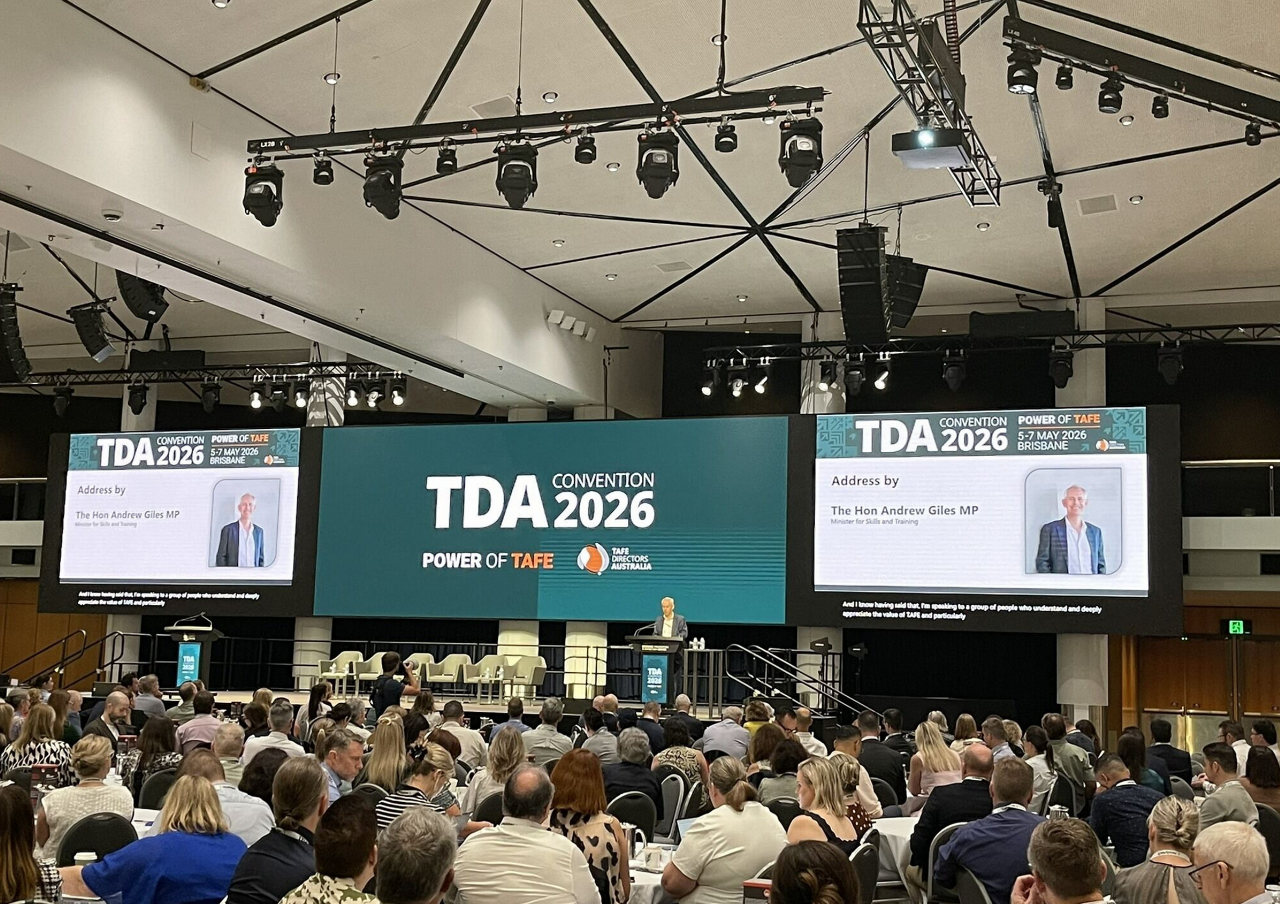
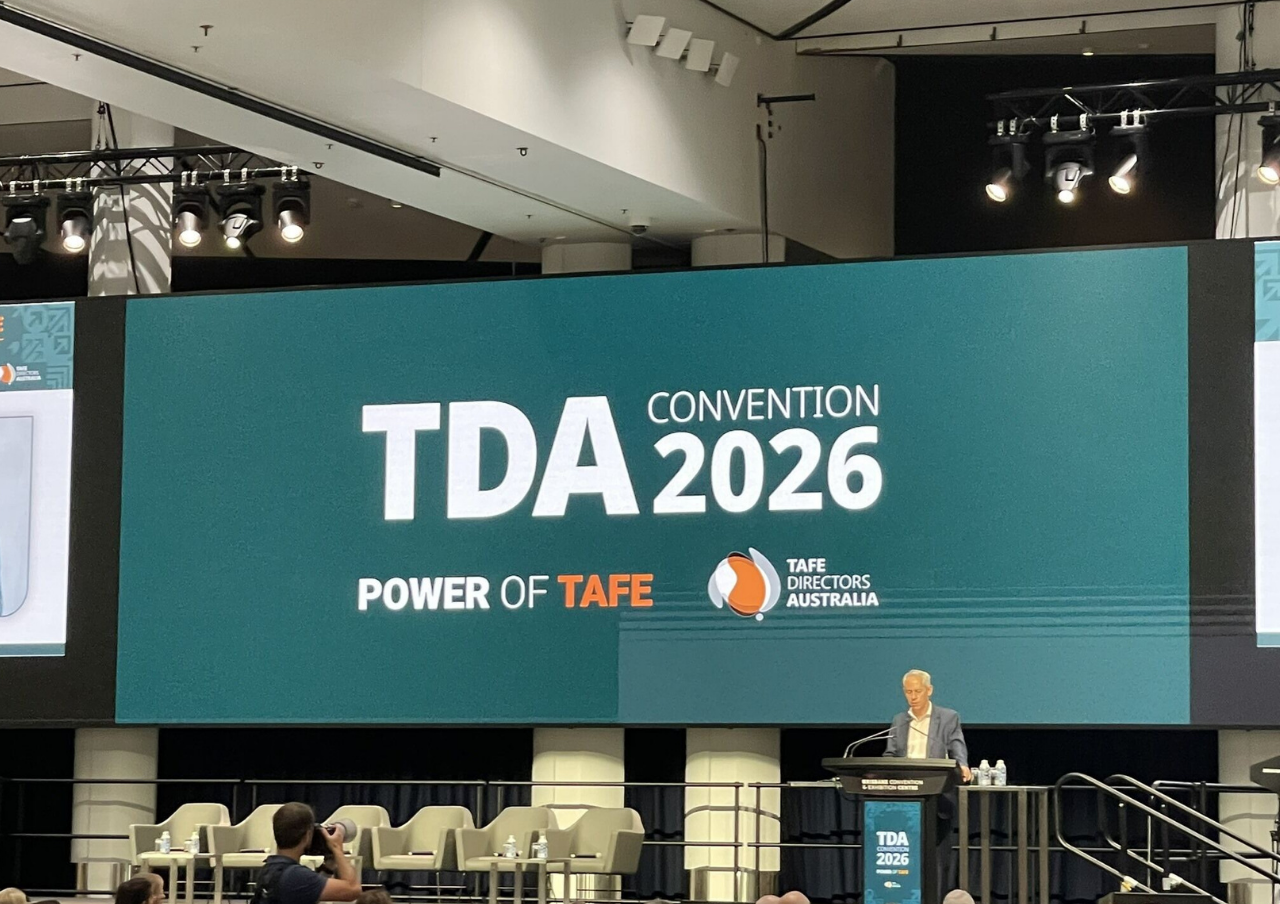
The Convention opened with an address from Minister Andrew Giles MP, who reinforced the critical role of TAFE and the VET sector in driving national outcomes. Emphasising the importance of collaboration, he noted that “partnerships sit at the centre of our approach to skills and training” and highlighted that “TAFE sits at the heart of a diverse and future-focused VET system.” His remarks underscored the broader role of VET, recognising that “VET is embedded in almost everything we are trying to achieve as a nation.”
A key theme throughout the Convention was the rapid rise of artificial intelligence (AI) and its implications for training and workforce development. Sessions highlighted the growing need for the VET workforce to maintain currency in AI capabilities to support industry’s digital skills needs. At the same time, there was strong recognition of the need to carefully navigate risks relating to ethics, integrity, and quality.
Claire Field’s presentation explored the intersection of AI and student equity, highlighting both the opportunities and challenges emerging from its adoption. AI has the potential to broaden access to learning and create more inclusive education pathways, particularly for diverse cohorts. However, it also presents new risks that must be managed to ensure equitable outcomes.
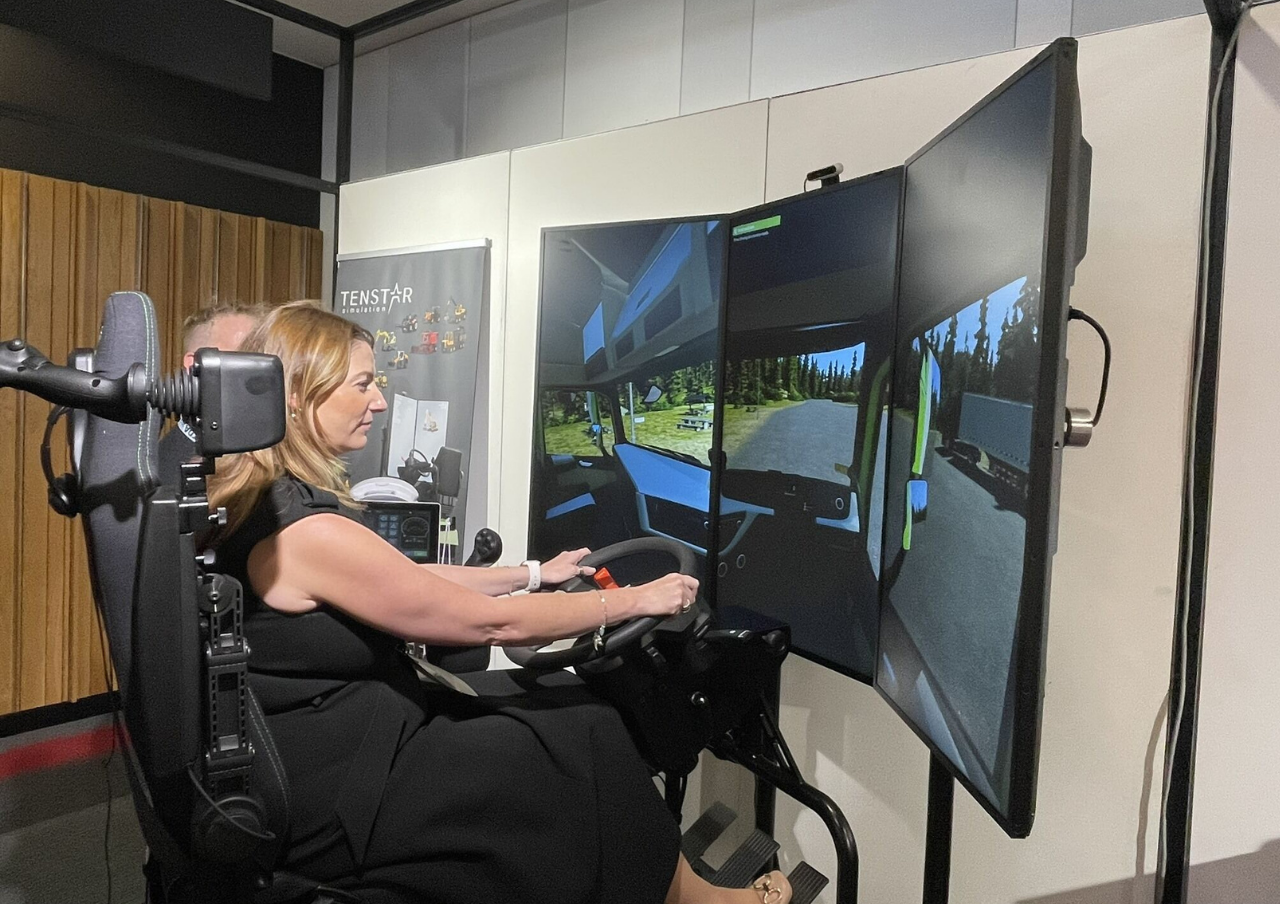
The Convention also showcased innovation in training delivery, including discussions on simulation-based learning, such as heavy vehicle training, demonstrating how new approaches can enhance practical skills development in a safe and scalable way.
Closing the Gap remained a central focus across multiple sessions, with powerful contributions from students, educators, and community organisations. These discussions emphasised the importance of genuine partnerships and tailored approaches to improve access to training and employment outcomes for First Nations peoples. Programs such as the Yamatji Sea Rangers initiative, delivered by Central Regional TAFE WA in partnership with Bundi Yamatji Aboriginal Corporation, were highlighted as strong examples of culturally responsive training creating meaningful career pathways.
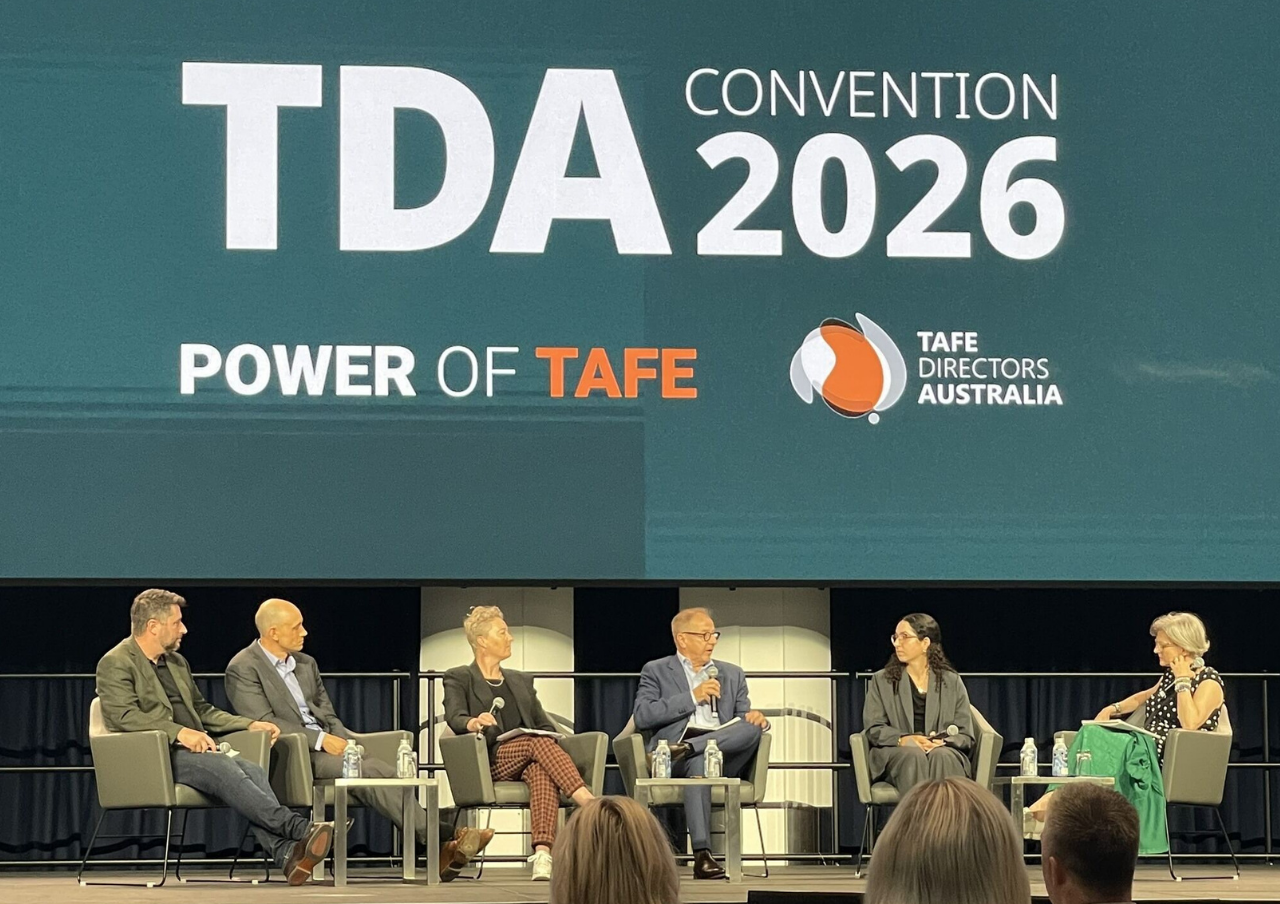
Evolving workforce models were another key topic of discussion. The ‘Earn and Learn’ panel session reinforced the continued importance of apprenticeships and traineeships, while also highlighting the growing need for flexible, work-integrated learning models that respond to changing employer and learner needs. These insights reflect the broader shift towards more adaptable and responsive training systems.
The work underway through the TAFE Centres of Excellence was also a major highlight. These centres are creating new opportunities for industry partnership and collaboration, developing innovative training approaches aligned to rapidly changing skill requirements. They are also supporting the establishment of a national community of practice, enabling shared resources, consistent delivery, and ongoing sector capability building.
Across all discussions, a consistent message emerged: building a skilled and adaptable workforce is critical to Australia’s future. As Minister Giles noted, “lifelong learning is no longer optional—it is essential,” reinforcing the central role of VET in supporting individuals and industries to navigate ongoing change.
Overall, the Convention reinforced the importance of innovation, strong partnerships, and collaboration in shaping a responsive, inclusive, and future-focused VET system.
To read more about the day, here it the TDA highlights: Thanks go to many – comment by CEO Jenny Dodd – TAFE Directors Australia