Aviation Jun 25, 2026
RAAA Convention 2026: A Sector Under Pressure and Poised for Transformation
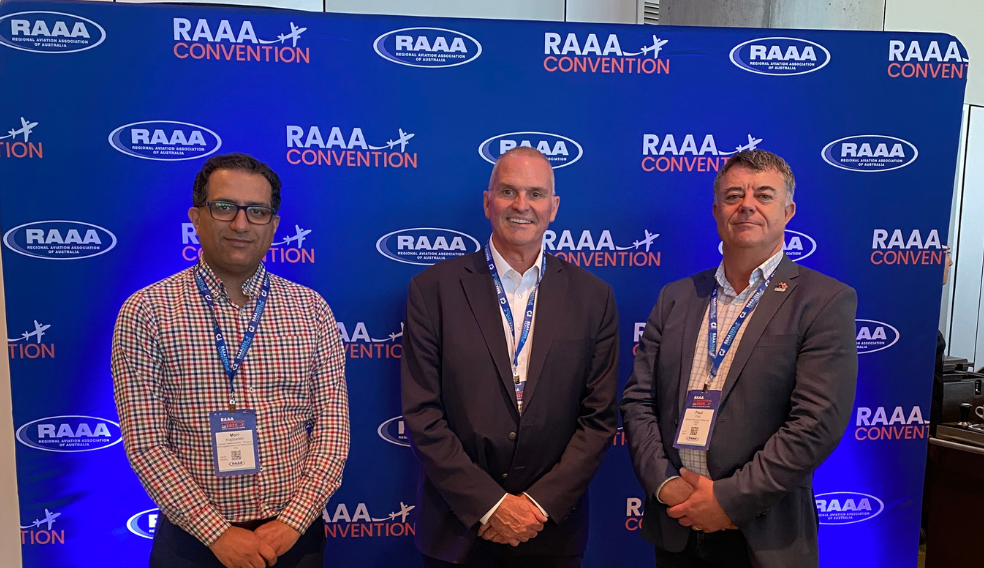
The RAAA Convention 2026 brought together a broad cross-section of Australia’s regional aviation community from airlines and flight training organisations to airports, maintenance providers, regulators, and suppliers.
The convention was a valuable forum for the sector, highlighting the significant pressures facing regional aviation while reinforcing a shared commitment to addressing them collaboratively.
Representing Industry Skills Australia (ISA), Mori Hajizadeh, Aviation Industry Engagement Manager, attended the convention and engaged with stakeholders across the industry. The RAAA Convention 2026 highlighted an industry under pressure, but one that is not without direction. Across the conference, there was a clear willingness to embrace change, challenge traditional approaches and invest in new ideas. Whether the focus was workforce development, safety culture, regulatory reform or the adoption of emerging technologies, the discussions reflected a strong commitment to collaboration and innovation as the foundations of a more resilient regional aviation sector.
A consistent theme throughout the conference was the growing complexity of the operating environment. Regional aviation continues to face rising costs, supply chain disruptions, workforce shortages, and regulatory challenges. These factors are placing considerable strain on operators, particularly smaller regional carriers and service providers.
Despite this, the tone of discussions was notably pragmatic and forward-looking. There was a strong sense that while the challenges are significant, they are not impossible. Collaboration across industry and with government, alongside the adoption of new technologies, is expected to play a critical role in shaping a more resilient future.
One of the most impactful sessions was delivered by Australian Transport Safety Bureau (ATSB) Chief Commissioner Angus Mitchell, who examined how safety management systems can fail when not supported by strong leadership and culture. Drawing on examples, Mitchell emphasised that technical systems alone are not enough. A robust safety culture driven by leadership, clear risk awareness, and organisational accountability is essential to preventing catastrophic outcomes.
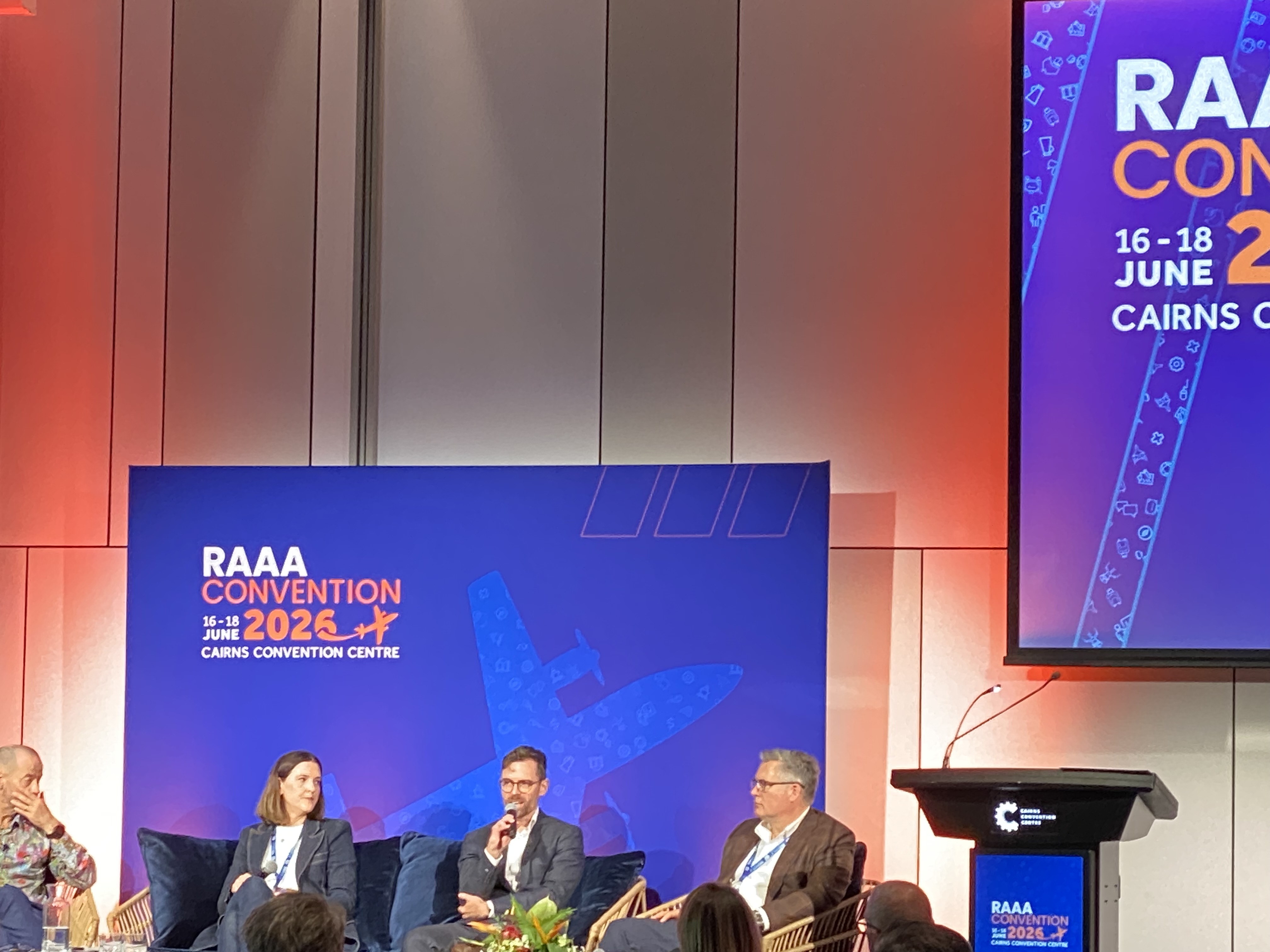
Workforce challenges were another major focus, particularly the need to attract, retain, and develop talent in regional aviation. A standout panel explored non-traditional pathways into the industry, highlighting the value of transferable skills from other sectors. The discussion reinforced the importance of engaging with schools, improving awareness of aviation careers, and providing clearer visibility of the wide range of roles available.
Maroomba Airlines provided a compelling case study, with CEO Laura Benger, recruited from outside the aviation industry, demonstrating the value of diverse experience. As Benger noted, “Don’t recruit for what you know; recruit for what you don’t know.” Her perspective reinforced the idea that diversity in thinking can drive innovation and strengthen organisational performance.
Artificial intelligence (AI) emerged as a key theme of the convention, particularly its growing role in improving operational efficiency and safety. A keynote presentation by Adam Spencer explored both the opportunities and risks associated with rapid AI development, highlighting its transformative potential across aviation. Panel discussions further examined how AI is already being applied in areas such as air traffic management, predictive weather modelling, and performance optimisation.
Importantly, the industry consensus remains that while AI can significantly enhance decision-making, human oversight will remain central. Technologies such as digital control towers and Airport Collaborative Decision Making (A-CDM) systems are already improving coordination, reducing delays, and enhancing fuel efficiency.
There were also encouraging updates on regulatory and policy initiatives. Civil Aviation Safety Authority (CASA) CEO Pip Spence outlined progress on the recognition of foreign LAME (Licensed Aircraft Maintenance Engineer) licences, including a planned 12-month trial. This initiative is expected to help address critical workforce shortages in maintenance. Additionally, Minister Catherine King announced further government support for regional aviation, including investment in airport infrastructure and fuel security, with an additional 250 million litres of turbine fuel.
Beyond operations and policy, the convention also addressed important topics such as mental health and wellbeing, reflecting a growing recognition of the human dimension of aviation.
Congratulations to RAAA for delivering an insightful and well-executed conference. The conversations and connections formed here will be critical as regional aviation continues to evolve and adapt for the future.