Mar 31, 2026
SEGRA National Summit Highlights Regional Transformation and the Power of Skills
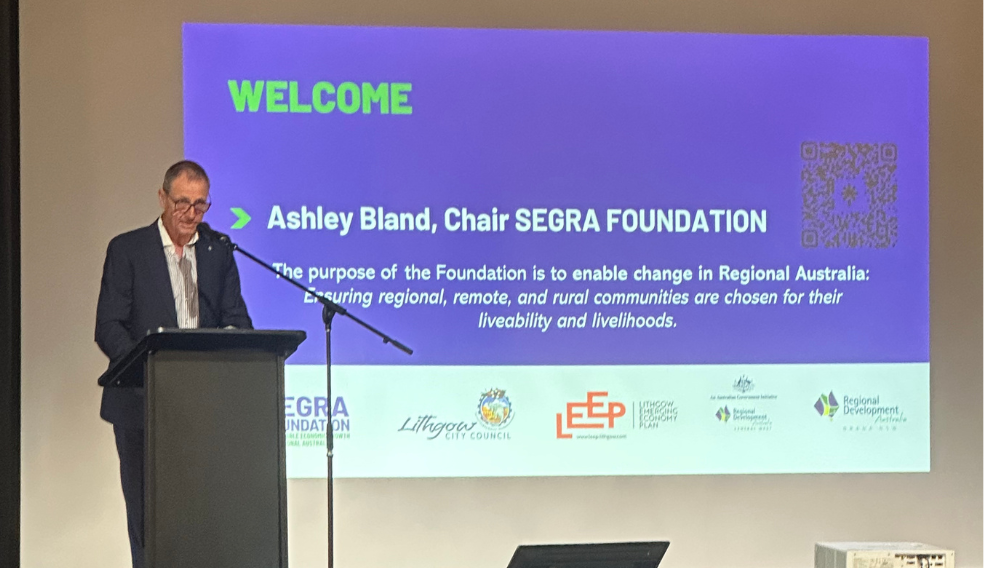
The SEGRA Foundation’s 29th National Regional and Economic Development Summit brought together the thinkers, tinkerers, doers, and improvers shaping the future of regional Australia. Held on 25–26 March 2026 in Lithgow, NSW, the Summit provided a platform for shared learning, innovation, and collaboration across government, industry, education, and communities. ISA was represented by David Forbes, Regional Industry Engagement Manager, who joined leaders and practitioners from across the country to explore the key drivers of sustainable regional growth.
Key Highlights
This year’s host city, Lithgow, offered a fitting backdrop for the discussion. With a rich industrial history in power generation and manufacturing, Lithgow is now actively re‑imagining its economic future.
A strong theme across the Summit was the need for change and adaptability to remain central to regional growth strategies. Speakers and case studies reinforced that regions achieving long‑term success have prioritised education and skills development, aligning workforce capability with local and emerging industry needs.
Bjorn Jarvis, Assistant Secretary, Workforce Futures at Jobs and Skills Australia (JSA), shared insights from JSA’s regional research and workforce analysis. He highlighted the persistent and interconnected challenges facing regions across Australia, noting that housing availability, transport access, and childcare remain major barriers to workforce participation and population attraction in many regional communities.
Bjorn also referenced the release of the first phase of JSA’s Jobs and Skills Roadmap for Regional Australia, which underscores the urgent need for training solutions that respond directly to the realities of regional communities. He emphasised that addressing these structural barriers alongside targeted skills development is critical to unlocking regional workforce potential and supporting sustainable economic growth.
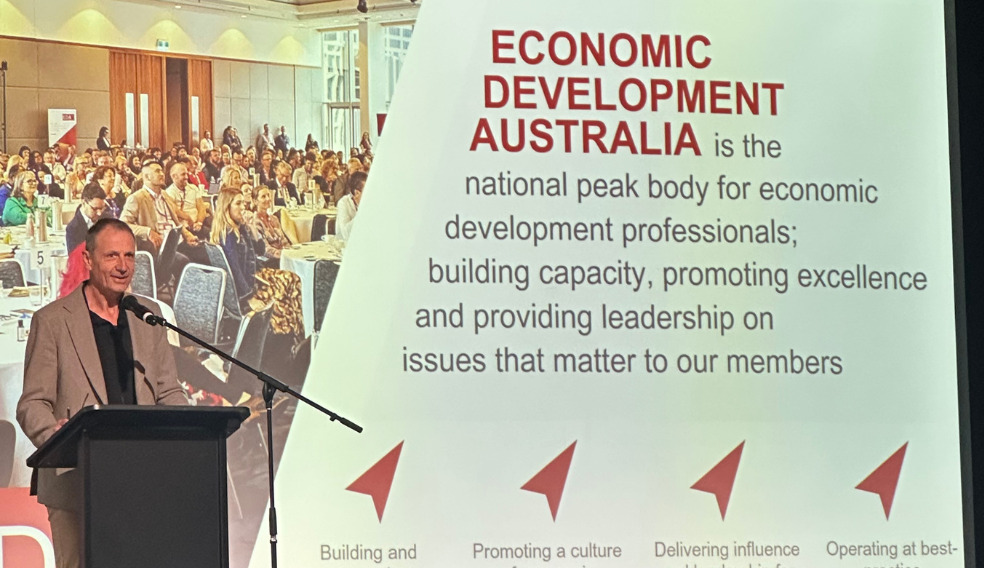
Technology and innovation were also prominent in discussions, particularly the role of artificial intelligence (AI). Speakers emphasised that AI delivers meaningful value only when supported by clear strategy, robust systems, and workforce capability, underpinned by targeted training and change management.
Another key takeaway was the positive impact of hybrid and remote work models, which have enabled city‑based workers to relocate further into regional areas. This shift is expanding regional talent pools while allowing organisations to access the right skills for the right roles, supported by flexible travel arrangements where required.
Overall, the Summit reinforced that people, skills, collaboration, and adaptability sit at the heart of regional transformation. Lithgow’s story of transition, coupled with insights from regions across Australia, highlighted the importance of coordinated action between industry, education, and government to build resilient, future‑ready regional economies.