Maritime Dec 15, 2025
Svitzer Invests in Cutting-Edge Training Technology at Port of Newcastle
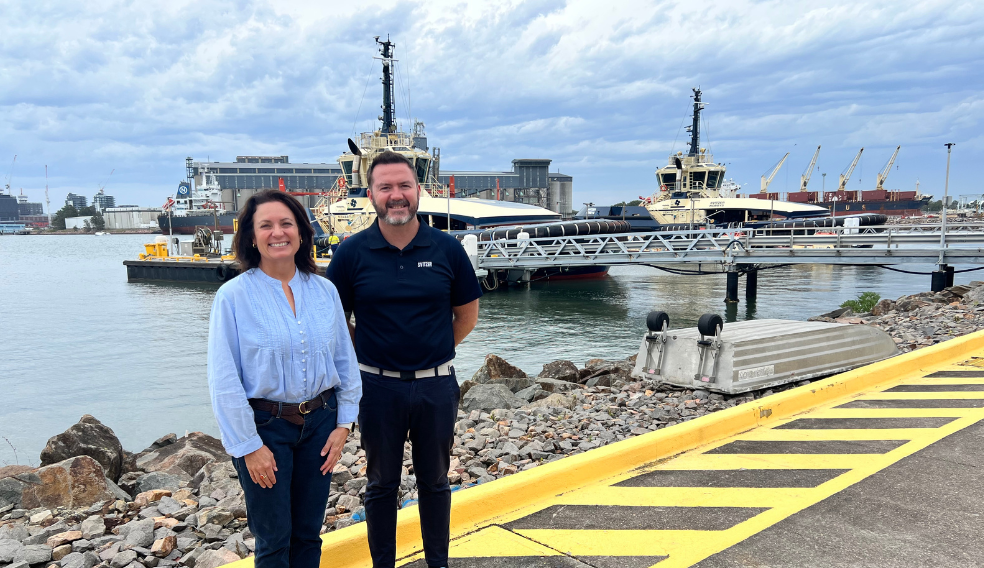
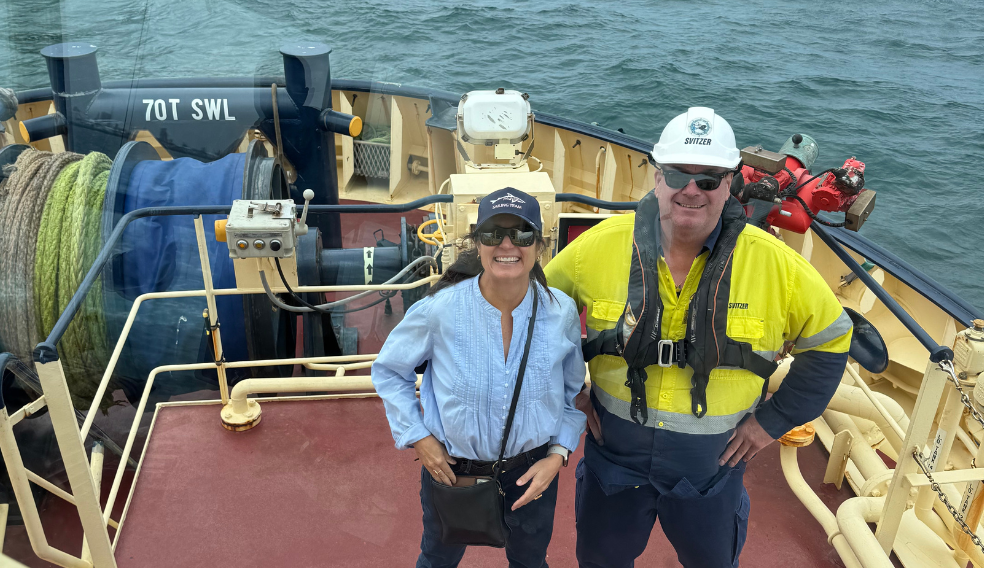
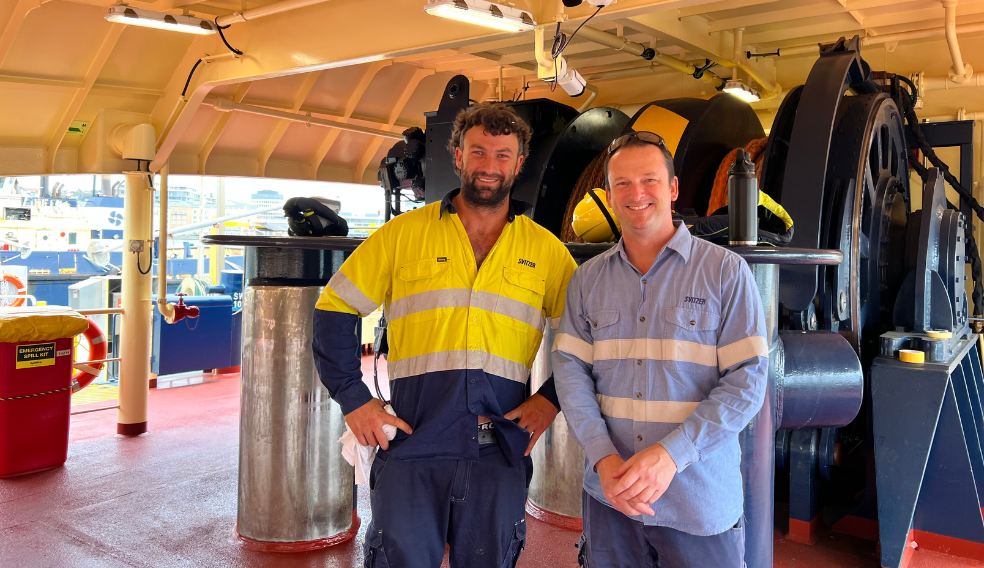
Recently, Anita Kauffmann, Board Member for ISA, had the privilege of visiting Svitzer’s Port of Newcastle base in Australia. She heard how Svitzer builds on nearly two centuries of maritime expertise as a leading global port and terminal infrastructure provider The visit offered a unique, hands-on insight into the maritime industry, showcasing the daily operations and challenges faced by Tug Masters, Engineers, and Deck Crew.
Commitment to workforce development
One of the key highlights of the visit was witnessing Svitzer’s investment in cutting-edge simulator technology at its Newcastle facility. As a global leader in sustainable marine services, Svitzer has partnered with Kongsberg Digital to deliver advanced simulators that will support crew training and establish a centre of excellence for the deployment of Svitzer’s innovative TRAnsverse tug vessels.
This purpose-built simulator and training facility, which officially opened on 12 September 2025, reflects Svitzer’s ongoing investment in world-class towage infrastructure across Australia and its commitment to upskilling future generations of Australian seafarers. The installation not only serves the training needs of harbor pilots and tug masters at Newcastle, but also caters to maritime professionals globally.
Designed specifically for Tug Master training on multiple vessels, including the new TRAnsverse Tug, this initiative underscores Svitzer’s dedication to safety, efficiency, and innovation in maritime operations.
The new TRAnsverse Tugs represent a major step change in equipment, crew conditions, and operational performance. They also showcase a cutting-edge approach to training and the conversion of existing qualifications, setting a new benchmark for excellence in the maritime industry.
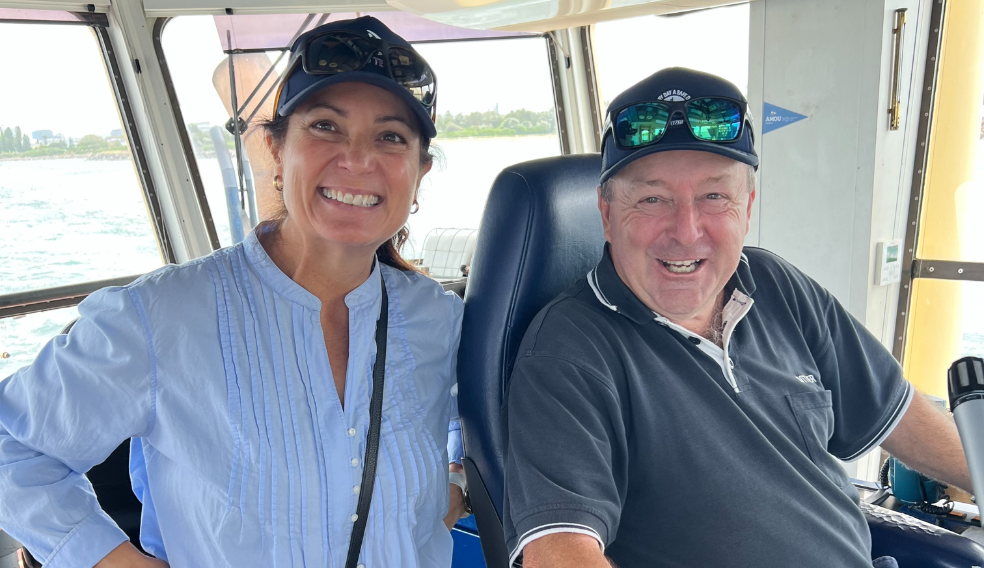

Exploring Maritime Simulator opportunities
This visit also provided an opportunity to highlight ISA’s current project: Maritime Simulators Opportunities. This initiative will explore the potential of simulation technology in maritime training to accelerate the development of skilled seafarers and support the Strategic Fleet initiative.
Australia’s maritime industry faces significant workforce shortages, with long lead times to train and certify seafarers. The industry is also highly regulated, making it challenging for training providers, employers, and students to meet certification requirements. Simulation technology offers a practical solution to enhance training delivery, improve safety, and accelerate the development of skilled professionals.
The visit also highlighted opportunities for sustainability within the maritime industry and emphasised how digital technologies can enhance safety and create clear career pathways for marine professionals. These advancements demonstrate the sector’s commitment to building a safer, more efficient, and future-ready workforce.